
Komodo National Park is one of Indonesia’s most striking natural sanctuaries, a rugged cluster of islands where time seems to have stopped. Located in the Lesser Sunda Islands between Sumbawa and Flores, this UNESCO World Heritage Site is home to the legendary Komodo dragons, pristine coral reefs, and a rare mix of savanna, volcanic hills, and turquoise bays.
If you are wondering whether Komodo National Park is worth visiting in 2025, the answer is a definite yes. It remains one of the last places on Earth where you can experience raw wilderness, both on land and underwater, in its purest form.
Where Komodo National Park Is and Why It’s Unique
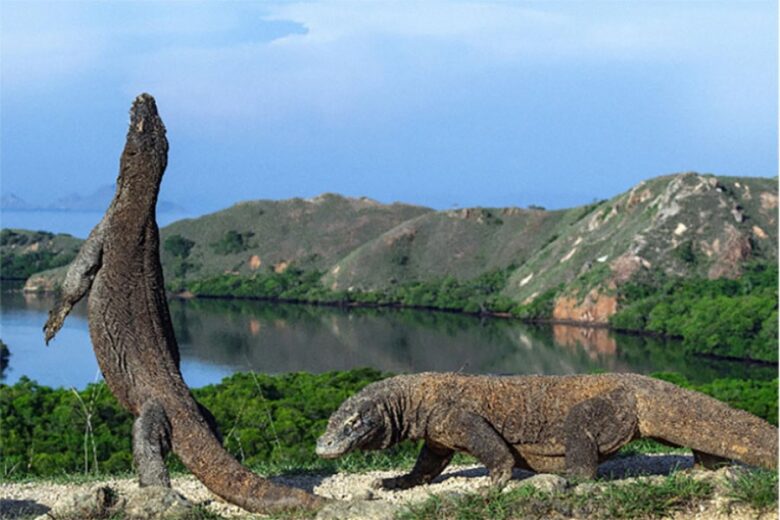
The park covers three main islands, Komodo, Rinca, and Padar, along with dozens of smaller islets spread across 1,800 square kilometers. It was established in 1980 to protect the endangered Komodo dragon, but over time, it became equally famous for its marine biodiversity.
Here, you can walk through arid savannas with herds of wild deer, hike to volcanic ridges for panoramic views, and dive among manta rays and coral gardens that rival any reef in the Pacific.
The combination of terrestrial and marine life is what makes this park stand apart.
The landscapes resemble an African savanna dropped into an island chain, while underwater, you’ll find more than 260 species of coral and 1,000 species of fish.
How to Get There
Komodo National Park is accessible mainly from Labuan Bajo, a small but lively town on the western tip of Flores Island. Labuan Bajo has daily flights from Bali (Denpasar) that take just over an hour.
From there, most visitors continue by boat. Depending on the itinerary, you can take a one-day speedboat trip or a multi-day liveaboard cruise to explore several islands.
For travelers seeking flexibility and privacy, chartering a Komodo private yacht offers the most complete experience. It allows you to reach remote bays, snorkel in less-visited reefs, and enjoy sunsets anchored between uninhabited islands, something public tours rarely provide.
This option also lets you control the pace of the trip, which is ideal for photographers, families, or anyone who wants to escape the crowds.
When to Visit
Komodo National Park has two main seasons: the dry season from April to November and the rainy season from December to March.
The best time to visit is during the dry months, especially between June and September, when seas are calm, skies are clear, and trekking conditions are ideal.
The rainy season still offers lush scenery and fewer tourists, but boat schedules can be affected by rougher waters.
| Month | Weather | Activities |
| April – June | Clear skies, green landscapes | Trekking, diving, photography |
| July – September | Peak dry season | Best wildlife viewing, manta rays |
| October – November | Warm seas, calm winds | Ideal for diving |
| December – March | Rainy, humid | Fewer visitors, lush vegetation |
Main Attractions in Komodo National Park
1. Komodo and Prince Islands
These are the two primary habitats of the Komodo dragon, the world’s largest lizard. Guided treks with park rangers allow you to observe them safely in their natural environment, basking under the sun or stalking deer in dry grasslands.
Rinca tends to be less crowded, offering a more intimate wildlife experience, while Komodo Island is better known for its lengthier trails and scenic viewpoints.
2. Padar Island
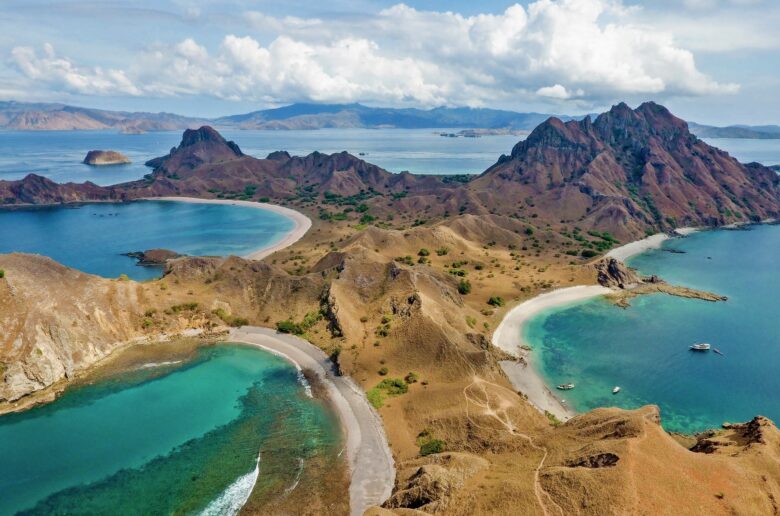
Padar is famous for its iconic viewpoint overlooking three crescent-shaped bays, one with white sand, one pink, and one black. The short but steep hike to the summit takes about 30 minutes and is best done at sunrise for soft light and cooler temperatures.
This is the image most people associate with Komodo National Park, and it remains one of the most photographed vistas in Indonesia.
3. Pink Beach
Located on the eastern shore of Komodo Island, Pink Beach gets its unique color from crushed red coral mixed with white sand. Snorkeling here reveals clear water, gentle waves, and coral reefs just a few meters from shore.
It’s one of the most accessible snorkeling spots in the park, making it suitable for beginners and families.
4. Manta Point
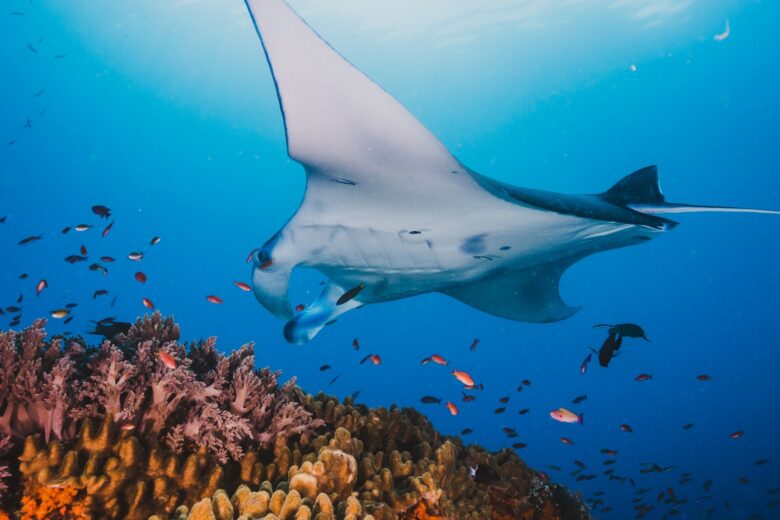
Off the coast of Komodo and Rinca lies Manta Point, a diving and snorkeling area where giant manta rays are commonly seen gliding in groups. The gentle current brings plankton-rich water, attracting these graceful filter feeders year-round
Divers can also expect to see reef sharks, turtles, and colorful soft corals in excellent visibility.
5. Kanawa Island
Closer to Labuan Bajo, Kanawa Island is a peaceful stop for swimming and snorkeling. Its shallow reefs are filled with clownfish, sea stars, and small rays, while its small resort provides a quiet overnight stay for those not joining a liveaboard.
Trekking and Wildlife Beyond Dragons
While the Komodo dragon dominates the park’s identity, there’s more to its ecosystem. You can encounter wild horses, buffalo, macaques, wild boar, and more than 150 species of birds, including sea eagles and cockatoos.
Trekking routes range from short 30-minute walks to full-day hikes across hilly terrain. Always go with a local ranger; the dragons are powerful and unpredictable.
Diving and Snorkeling Highlights
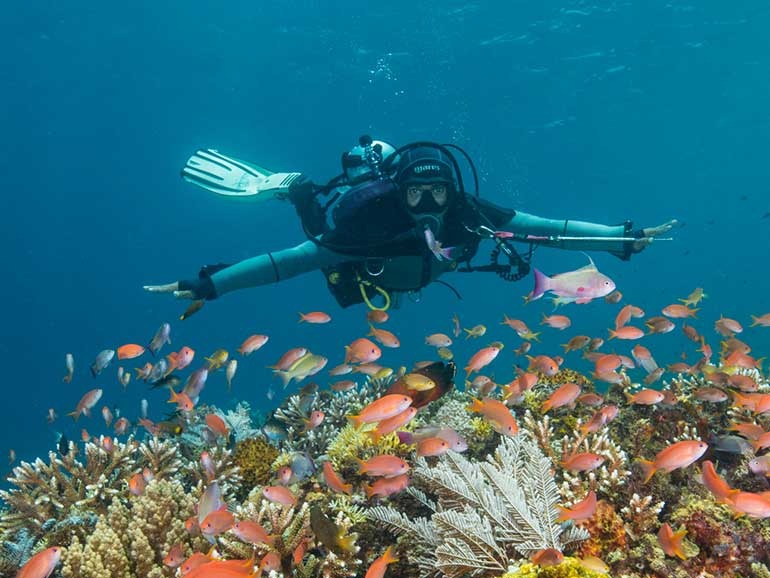
Komodo is part of the Coral Triangle, often called the “Amazon of the Seas.” Its nutrient-rich currents support one of the most diverse marine ecosystems in the world.
Some of the top dive sites include:
- Batu Bolong – a dramatic rock pinnacle teeming with fish and colorful coral walls.
- Castle Rock – known for strong currents and schooling trevally, tuna, and reef sharks.
- Tatawa Besar – a gentle drift dive suitable for intermediate divers.
- Siaba Besar – a calm bay perfect for beginner divers and turtle encounters.
Visibility can reach up to 30 meters during the dry season, and even non-divers can enjoy world-class snorkeling along most island shores.
Conservation and Responsible Tourism
Komodo National Park is a fragile environment. Over-tourism, plastic waste, and careless anchoring can easily damage coral ecosystems and disturb wildlife.
Visitors are encouraged to travel with eco-certified operators, avoid single-use plastics, and respect park guidelines, such as maintaining distance from dragons and refraining from feeding wildlife.
The entrance fees directly support conservation programs, so visiting responsibly helps fund habitat preservation and ranger patrols that prevent poaching.
Accommodation and Itinerary Tips
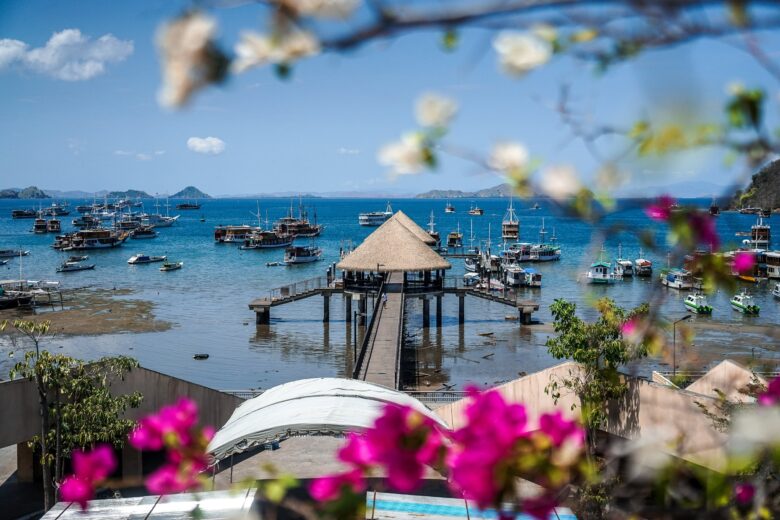
Most travelers base themselves in Labuan Bajo, where accommodation ranges from budget hostels to luxury waterfront resorts.
However, the most memorable experiences come from spending one or more nights onboard a liveaboard or yacht charter. This allows early access to islands before day-trip crowds arrive.
Suggested 3-Day Itinerary:
| Day | Highlights |
| Day 1 | Fly into Labuan Bajo, visit Kanawa Island, and overnight on board |
| Day 2 | Trek Rinca Island, swim at Pink Beach, sunset hike on Padar |
| Day 3 | Snorkel at Manta Point, relax on Sebayur Island, and return to port |
For travelers wanting comfort and flexibility, booking a Komodo private yacht lets you design custom routes, combine diving with island trekking, and experience sunrise and sunset from different anchorages, all without fixed schedules. This is especially useful if you want to visit lesser-known islands like Gili Lawa Darat or Makassar Reef.
Final Thoughts
Komodo National Park is more than a place to see dragons; it’s a living, breathing wilderness shaped by fire, sea, and evolution.
From coral reefs that rival the Great Barrier Reef to volcanic ridges and untouched beaches, every island feels like a different world. Whether you’re exploring by day trip, liveaboard, or private yacht, what makes this park unforgettable is its raw and authentic beauty.
It’s one of the few destinations where you still feel like a true explorer, standing face to face with prehistory, surrounded by one of the richest marine environments on the planet.