
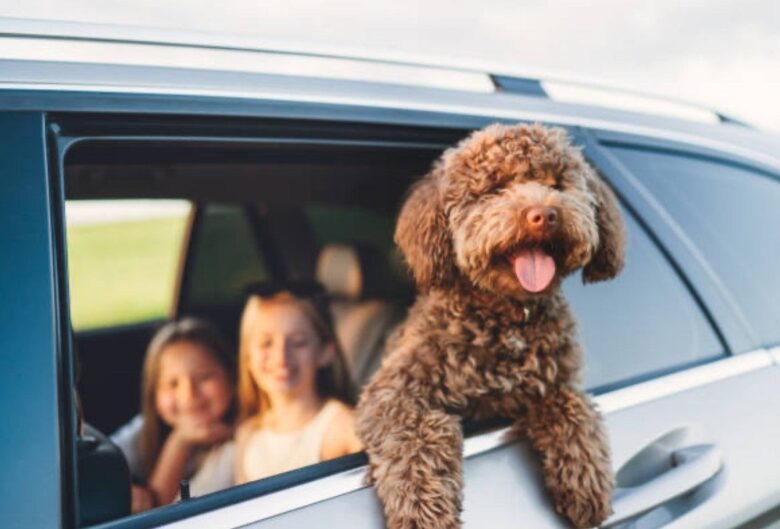
Separation anxiety in Doodles is more common than many owners expect. Goldendoodles, Labradoodles, and similar mixes often form strong bonds with their families, which can turn into stress when left alone. Dogs with separation anxiety may bark, chew furniture, pace, or refuse to settle after you leave.
Early prevention works far better than trying to fix severe anxiety later. Simple routines and training habits can make a major difference. Owners who start early usually see calmer behavior and fewer destructive episodes.
Why Doodles Are More Prone to Separation Anxiety
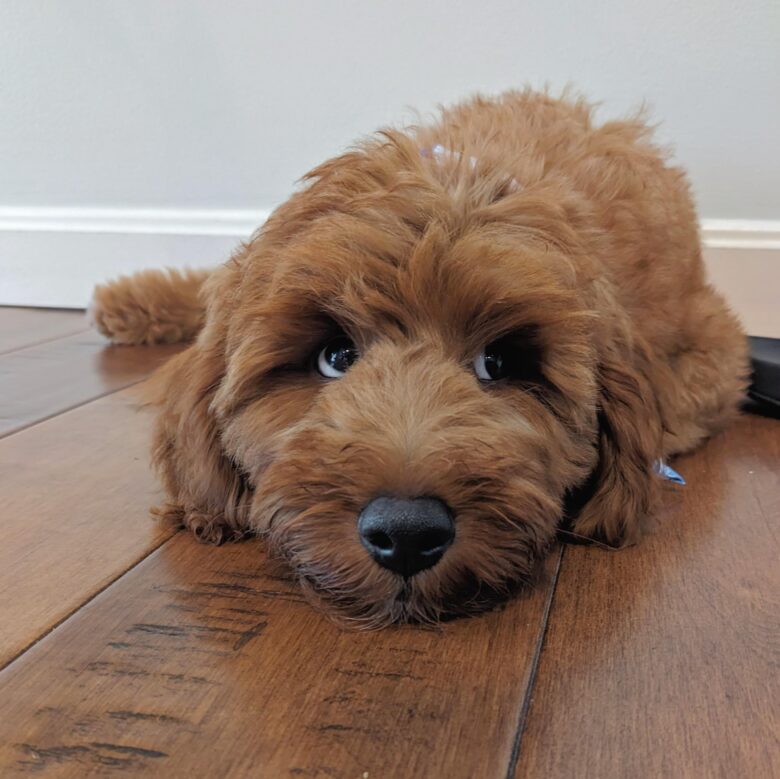
Doodles inherit personality traits from both Poodles and retrievers. Both breeds are known for intelligence and attachment to people. That combination produces affectionate companions, but it can also increase emotional sensitivity.
Many Doodles spend most of their time around family members. When daily interaction suddenly stops, the change can feel overwhelming. Dogs that never learned to relax alone often react with stress behaviors.
Common early warning signs include:
- Restlessness that begins as soon as you prepare to leave
- Excessive following from room to room
- Whining or barking shortly after departure
- Chewing doors or scratching near exits
Recognizing early signs allows you to adjust routines before anxiety becomes severe. Small adjustments early on often prevent long term behavioral problems.
Choosing the Right Puppy and Early Environment

Early socialization and breeder practices influence emotional stability. Puppies raised in stimulating home environments often adjust better to daily routines.
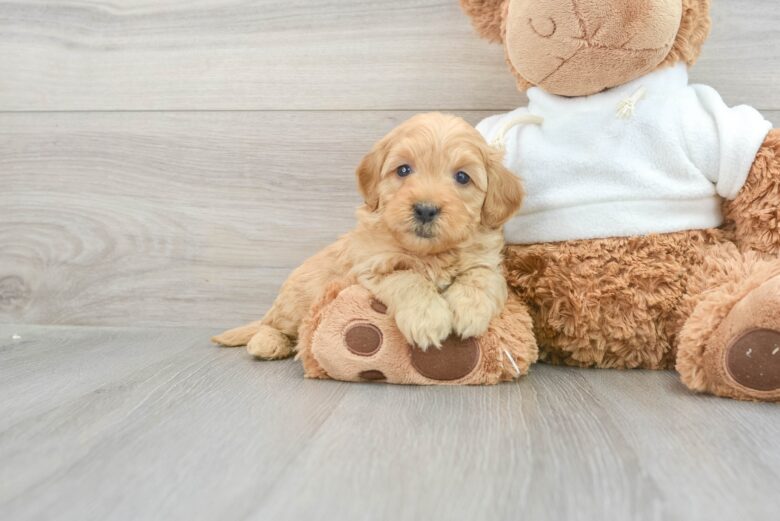
Families searching for mini Goldendoodle puppies for sale should look for breeders who raise puppies inside the home rather than in isolated kennel spaces. Puppies that experience normal household sounds and short separations tend to develop stronger coping skills. Early handling and structured interaction help puppies learn independence without stress.
Dogs that experience gentle exposure to new environments often show greater confidence. A balanced start reduces the likelihood that routine absences will trigger anxiety later.
Building Independence From Day One
Independence training should begin the first week a puppy comes home. Waiting until anxiety appears usually makes the process slower.
Start with very short separations. Leave the room for a few minutes while the puppy remains calm. Gradually extend the time once the puppy shows relaxed behavior.
Healthy independence routines include:
- Short daily alone periods even when someone is home
- Quiet departures without emotional goodbyes
- Calm greetings instead of excited reunions
- Scheduled nap times in a separate area
Consistency helps puppies understand that being alone is normal and temporary. Dogs that experience predictable routines often adjust more quickly to longer absences.
Creating a Comfortable Safe Space
A dedicated resting area helps Doodles relax during alone time. Safe spaces reduce uncertainty and give the dog a familiar environment.
Crate training works well for many Doodles when introduced gradually. Some dogs prefer exercise pens or gated rooms instead.
Important elements of a calming space include:
- Soft bedding that smells familiar
- A consistent location used every day
- Safe chew toys that last longer periods
- Low noise and limited outside distractions
- Comfortable temperature and lighting
Dogs often relax faster when the environment remains consistent. Moving sleeping areas frequently can increase stress and confusion.
Exercise and Mental Stimulation Matter
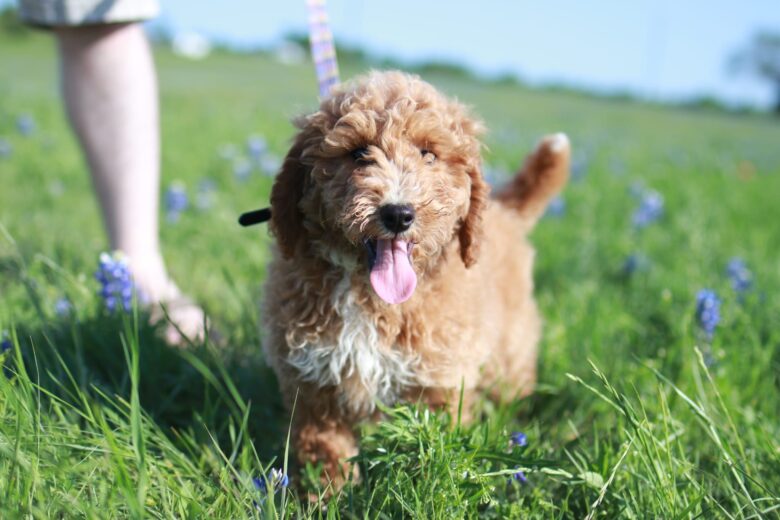
Doodles need regular activity to maintain emotional balance. Under stimulated dogs tend to show more anxious behaviors when left alone.
Physical and mental exercise should happen before longer absences. A tired dog usually settles faster than a restless one.
Table: Typical Daily Activity Needs
| Activity Type | Suggested Time | Benefits |
|---|---|---|
| Walks | 30 to 60 minutes | Reduces excess energy |
| Play sessions | 15 to 20 minutes | Builds confidence |
| Training games | 10 to 15 minutes | Improves focus |
| Puzzle toys | 20 to 30 minutes | Encourages calm behavior |
Balanced activity prepares the dog for rest periods. Dogs that receive enough stimulation often spend most of alone time sleeping.
Short bursts of activity throughout the day tend to work better than one long session.
Gradual Departure Training Works Best
Sudden long absences often trigger anxiety in sensitive dogs. Gradual exposure teaches Doodles that departures are predictable and safe.
Start with short exits such as stepping outside for two minutes. Increase the time slowly over several days.
Effective departure routines usually include:
- Picking up keys or putting on shoes without leaving
- Opening and closing the door calmly
- Leaving for short periods several times daily
- Returning before anxiety begins
Dogs learn patterns quickly. Repeated calm departures teach the dog that leaving does not signal permanent separation.
Important Fact: Veterinary behaviorists report that gradual exposure training is one of the most reliable ways to reduce separation anxiety risk in companion dogs.
Short consistent sessions usually produce better results than occasional long training attempts.
Mistakes That Make Separation Anxiety Worse
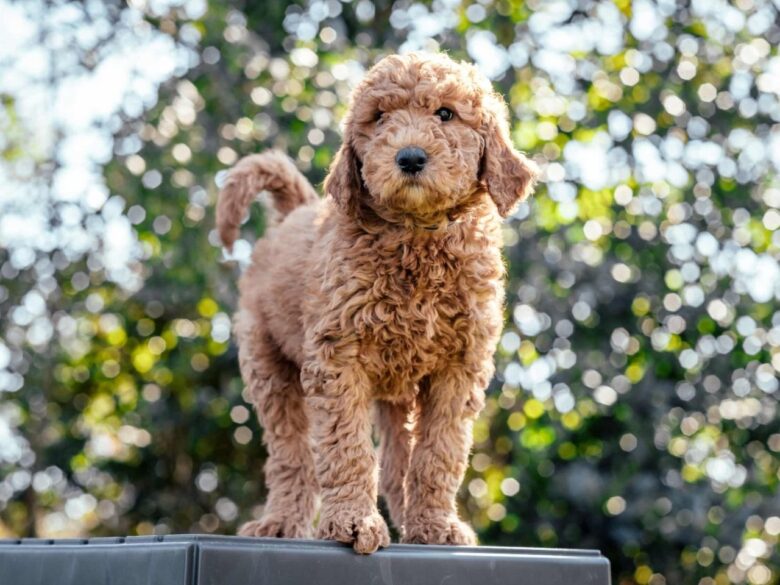
Many owners accidentally reinforce anxious behavior without realizing it. Small habits can increase dependence and emotional stress.
Over attention during anxious moments often signals to the dog that there is something to worry about.
Common mistakes include:
- Constant physical contact throughout the day
- Letting the dog follow everywhere without boundaries
- Emotional departures and dramatic goodbyes
- Punishing destructive behavior after returning home
Dogs cannot connect punishment with earlier anxiety episodes. Negative responses may increase stress instead of solving the problem.
Balanced interaction encourages confidence while still maintaining a strong bond.
Early Prevention Success Rates
Behavior specialists often emphasize prevention because treatment can take months once anxiety becomes severe.
Did you know? Studies in canine behavior programs suggest early independence training significantly reduces the likelihood of moderate to severe separation anxiety in companion dogs.
Dogs that learn relaxation skills before six months of age tend to adapt faster to changing schedules. Prevention training often requires only a few minutes per day.
Owners who introduce alone time gradually often report fewer barking complaints and less household damage.
Conclusion
Separation anxiety in Doodles develops gradually but prevention can start immediately. Early independence training, structured routines, and proper exercise create emotional stability.
Also read: How Smart Technology is improving dogs’ lives
Most Doodles learn to relax alone when owners introduce separation slowly and consistently. Prevention requires patience, but it produces calmer and more confident companions for years to come.