
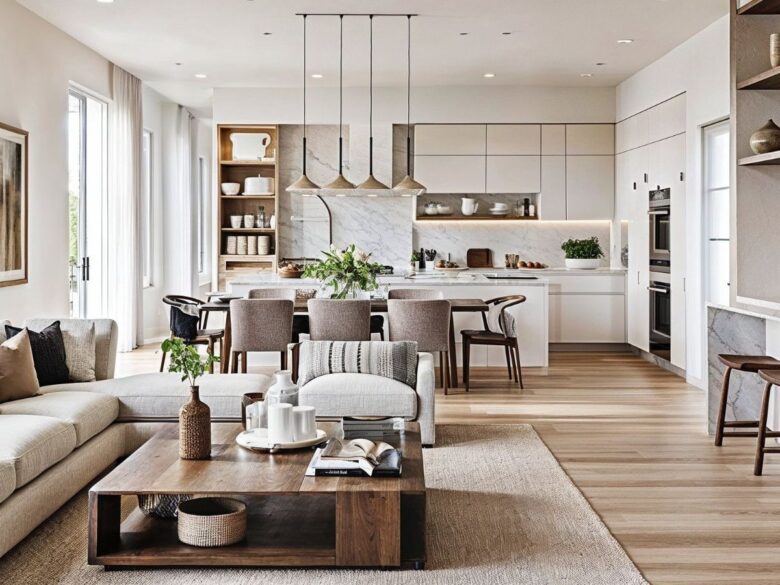
Mixing modern and classical interiors sounds simple until you actually try it. One piece feels too sharp, another too detailed, and suddenly the room looks disconnected. The goal is not to blend everything into one style. It is to make different elements feel like they belong together.
A well-balanced interior usually evolves over time. It is not built from matching sets or strict rules. The key is understanding what connects pieces visually and structurally. That could be color, scale, material, or placement.
If you get those fundamentals right, the contrast between modern and classical stops feeling like a conflict and starts working as a quiet structure behind the room.
Start With A Clear Foundation
Before you mix anything, you need a stable base. Without it, even good pieces will feel random.
This is where many people go wrong. They start adding statement items too early instead of building a consistent backdrop first. A neutral palette works best here because it allows both styles to stand out without competing. Research also shows that consistent color palettes help unify mixed styles and prevent visual clutter.
If you are aiming for a refined, cohesive result, this is the stage where a thoughtful luxury interior approach makes a difference. Not because of cost, but because of discipline. The focus stays on proportion, spacing, and restraint rather than filling the room.
Think of your base as the quiet layer. Walls, floors, and larger furniture should not fight for attention. They should support everything else.
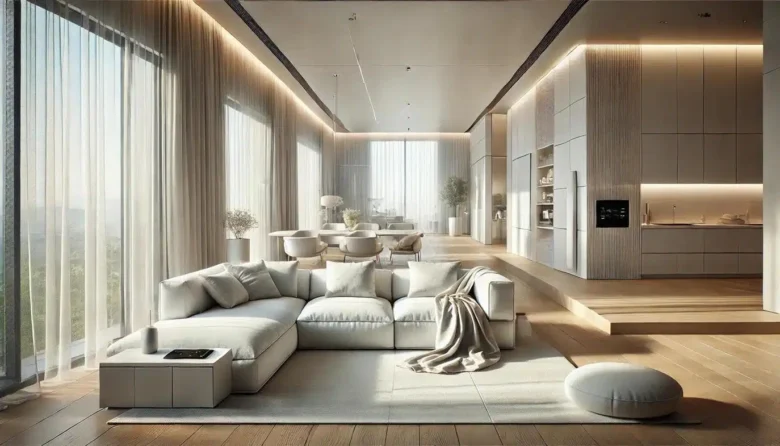
Decide Which Style Leads
Every space needs a direction. If modern and classical are both competing equally, the room feels unsettled.
Take a moment to assess what already exists. In some homes, architectural details like moldings or fireplaces already set a classical tone. In others, clean lines and open layouts push things toward modern.
Once you know which style leads, the other becomes the accent. This keeps the space readable and prevents it from turning into a mix without structure. Designers often recommend starting with the dominant style and layering in contrasting elements carefully.
Here is a simple way to think about it:
- Let one style define the room’s structure
- Use the other to introduce contrast
- Keep the balance slightly uneven on purpose
That slight imbalance is what makes the space feel intentional instead of forced.
Use Contrast With Control
Contrast is where modern and classical actually connect. The mistake is using too much of it at once.
A clean-lined sofa next to a detailed antique table works because each piece highlights the other. But if every item in the room tries to do that, the space becomes visually tiring.
The goal is controlled contrast. One or two strong pairings in a room are enough.
A space feels cohesive when contrast is repeated in a measured way, not scattered everywhere.
Design guidance often suggests placing modern and traditional elements directly next to each other to create clarity instead of separation.
You want the eye to understand the relationship quickly. When pieces are too far apart or too similar, that connection disappears.
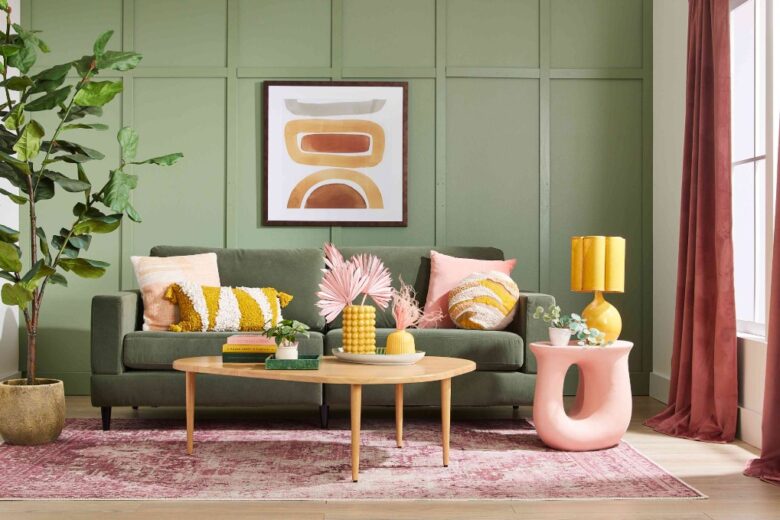
Keep Color As The Unifying Thread
Color is often the simplest way to tie everything together, but it is also where people overcomplicate things.
You do not need a complex palette. In fact, fewer colors usually work better when mixing styles. A restrained scheme allows both modern and classical elements to sit comfortably in the same space.
Try this approach:
- Choose one dominant neutral
- Add one or two supporting tones
- Use accent colors sparingly
This creates continuity without making the room feel flat. Designers frequently use color as the main tool to connect mixed interiors, even when the pieces are very different.
A consistent palette acts like a quiet thread running through the space. It keeps everything grounded.
Pay Attention To Scale And Proportion
This is one of the least talked about aspects, but it has a huge impact.
A modern low-profile sofa next to a tall, heavy classical chair can feel off even if both pieces are beautiful. The issue is not style, it is proportion.
Scale should feel balanced across the room. That does not mean everything needs to match, but it should feel related.
Here are a few things to watch:
- Seat heights should be relatively aligned
- Large pieces should not overwhelm smaller ones
- Visual weight should be distributed evenly
Recent design advice highlights how incorrect scale, like undersized rugs or mismatched furniture proportions, can quietly disrupt a space.
When proportions are right, the room feels stable. When they are off, no amount of styling will fix it.
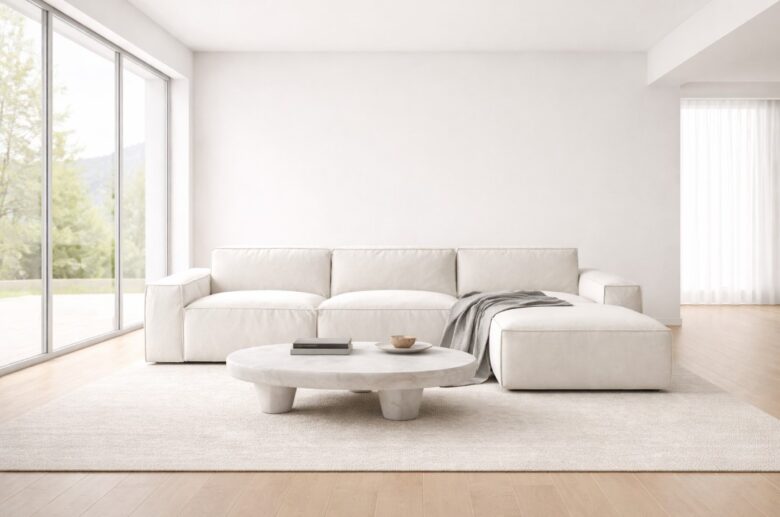
Edit More Than You Add
It is tempting to keep adding pieces to make the mix feel complete. Most of the time, the opposite is needed.
A unified interior is usually the result of removing things that do not support the overall structure. If a piece does not connect through color, material, or proportion, it probably does not belong.
This is where restraint becomes important. You want enough variation to create interest, but not so much that the room loses clarity.
A useful check is simple. Step back and ask if the room feels calm or busy. If it feels busy, something needs to go.
This process takes time. Strong interiors are rarely finished in one pass.
Let The Space Feel Collected Over Time
The final step is patience. A unified look does not come from buying everything at once.
Spaces that mix modern and classical well usually feel collected. There is a sense that pieces were chosen gradually, not all at once. This layered approach is widely recognized as a way to create interiors that feel more natural and less staged.
You do not need to rush decisions. In fact, slowing down often leads to better choices.
Add pieces when they make sense. Rearrange when needed. Adjust the balance over time.
That is how the room starts to feel real.
Conclusion
Building a unified look between modern and classical interiors is less about style and more about structure. When the foundation is clear, the rest becomes easier.
Focus on consistency in color, balance in scale, and control in contrast. Use materials to connect different elements and edit the space until it feels calm and intentional.
Most importantly, give it time. A well-balanced interior is not something you finish quickly. It develops through small, deliberate decisions.
If you stay patient and keep the structure in mind, the mix of styles will start to feel natural without forcing it.