
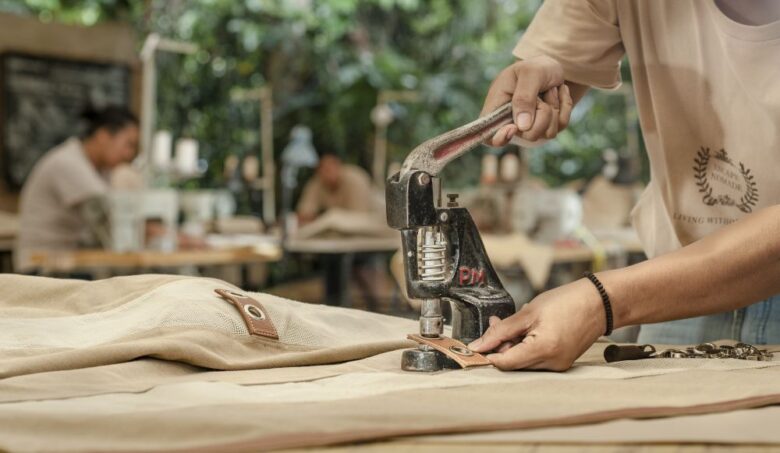
Quality in fashion accessories reveals itself long before a brand label or trend enters the conversation. The real indicators are structure, materials, finishing work, and durability that you can actually feel and notice.
A well-crafted accessory does not lose shape, does not loosen at the seams, and does not look tired after a few months of wear.
That is the concrete truth, and it holds for every category, from bags to belts to jewelry to watches.
Once you know where to look, you can separate a premium piece from a mass-produced one within seconds.
The Foundation: Materials That Age Well
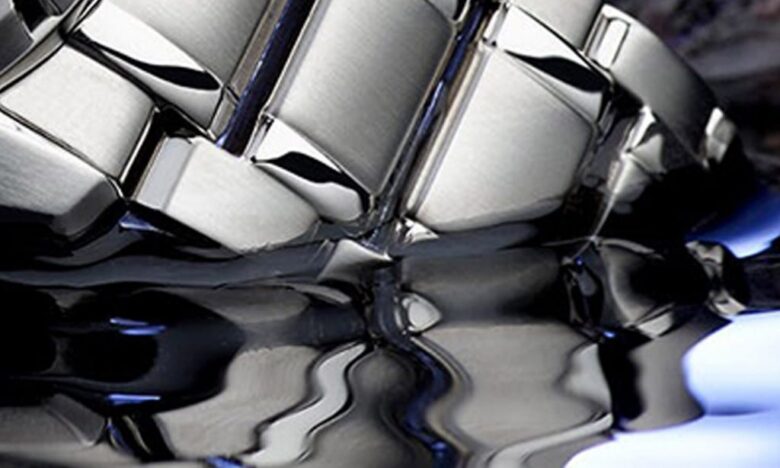
Craftsmanship always starts with materials. Accessories built with low-grade components rarely survive long, no matter how well assembled they appear at first. High-quality pieces use materials chosen for strength, flexibility, and aging behavior.
Key Indicators When Evaluating Materials
- Leather grain and density
Full-grain and top-grain leathers resist stretching and surface cracking. Press lightly with your fingers. High-quality leather shows subtle natural wrinkles and returns to shape. - Metals used in jewelry and watches
Stainless steel, titanium, gold plating with a thick micron layer, and sterling silver maintain shine and structural integrity. Very lightweight metal usually signals hollow or thin construction. - Textiles in scarves, straps, and wallets
Natural fibers like silk, wool, and high-thread-count cotton maintain clarity in weave patterns. Synthetic blends can be excellent but should feel substantial, smooth, and resistant to abrasion.
Helpful Overview of Material Quality
| Material Type | What High Quality Looks Like | What Low Quality Usually Shows |
| Leather | Dense, smooth grain, rich natural scent, tight fibers | Chemical smell, peeling finish, overly smooth plastic-like surface |
| Metals | Even polish, solid weight, and resistance to scratches | Flaking plating, inconsistent shine, dull patches |
| Fabrics | Tight weave, no loose threads, consistent color | Pilling, fading, uneven dye absorption |
Choosing accessories built with proper materials sets the stage for every other element of craftsmanship that follows. Even the best stitching cannot redeem poor base components.
Construction: How an Accessory Holds Together
Attention to construction reveals the skill level behind the item. You can judge this even without technical knowledge.
What To Check First
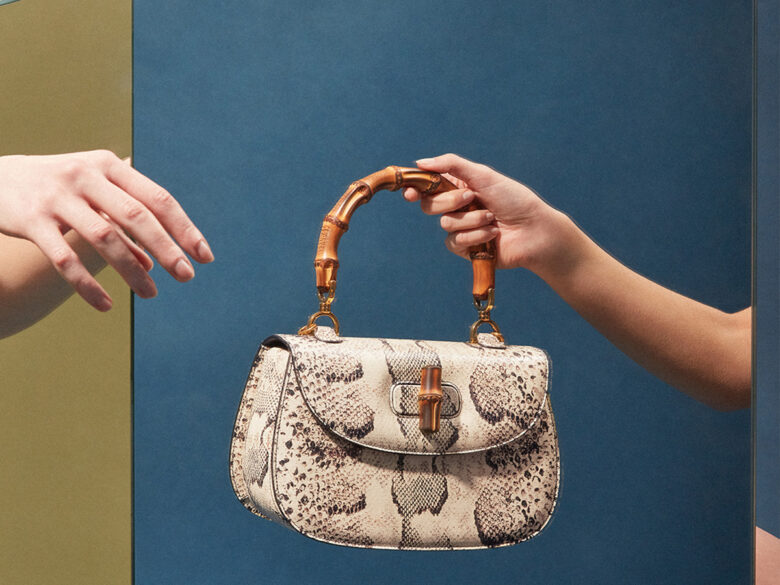
A designer handbag or leather belt should show clean alignment along edges, with stitching that looks firm, straight, and evenly spaced. The moment you see loose threads, fraying ends, or asymmetrical folds, quality has already dropped.
On jewelry, inspect how the clasp attaches, whether the chain links open smoothly, and whether the connecting elements feel secure. On a watch, the case back should sit evenly, and the crown should turn with steady resistance rather than wobble.
Construction Indicators Across Accessories
| Accessory | Quality Construction Signs | Warning Signs |
| Bags | Reinforced corners, straight stitching, consistent tension | Uneven seams, buckled edges, wavy stitching |
| Belts | Firm buckle attachment, smooth edges, durable holes | Cracking around the buckle, stretched holes, rough cut edges |
| Jewelry | Smooth transitions, secure clasps, solid soldering | Pinched metal, weak closures, open joints |
| Watches | Balanced weight, clean case fit, firm crown movement | Loose links, rattling inside the case, misaligned markers |
Skilled construction always leaves a sense of intentionality. Nothing looks rushed or improvised.
Hardware: Small Parts Reveal the Biggest Secrets
Zippers, buckles, clasps, hinges, and chains usually fail before the body of the accessory. Premium craftsmanship uses hardware built to stay functional for years.
Hardware Evaluation Tips
- Test the zipper: It should glide smoothly without catching.
• Examine buckles: Solid metal with a smooth finish often signals higher durability.
• Check hinges and clasps: They should click into place with confidence.
• Look at screws and rivets: On watches and structured bags, they should be flush and tight.
High-quality hardware tends to keep its finish, maintain its structure, and operate without friction.
Finishing Work: The Final Layer of True Craftsmanship
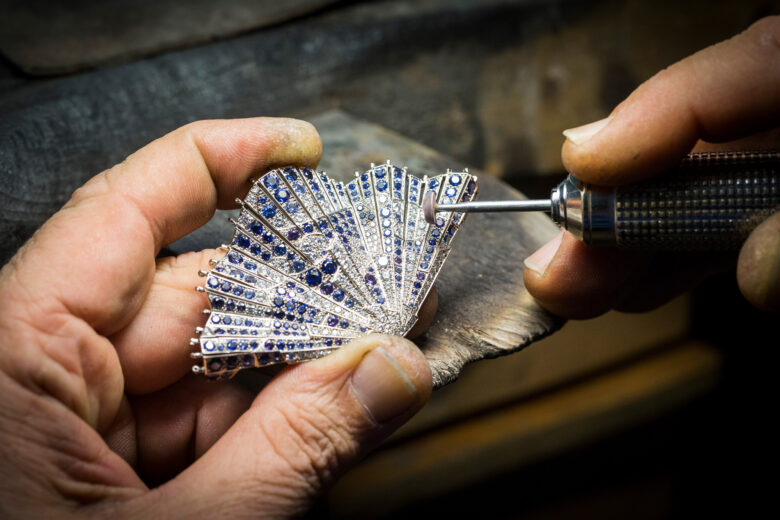
Finishing separates mass production from artisanal work. When an accessory looks polished on all sides, not only the visible surface, you know that the maker respected the product.
Finishing Details to Look For
- Edges
Smooth edges on leather, jewelry, or watch bracelets show time and effort. Rough edges or thick layers of paint on leather signal shortcut manufacturing. - Symmetry
Compare both sides of earrings, corners of wallets, or lug spacing on a watch. Perfect symmetry reveals consistency in production. - Surface Treatment
Metal polish should look even, not patchy. Fabric patterns should align cleanly, especially at seams. - Color consistency
Dye or plating should match across all components. Variations usually occur in rushed production.
Finishing is where high-level accessories shine because it demonstrates how carefully the maker brought everything together.
Practical Durability Tests You Can Perform
Even while standing in a store, you can test the resilience of an accessory.
Simple Tests That Reveal a Lot
- Flex the item gently. Leather belts and wallets should bend without showing surface cracks.
• Hold a watch or piece of jewelry near your ear. Any rattling suggests internal components that are not secure.
• Perform a light scratch test on metal. Solid metals resist surface marks better than cheap plating.
• Check for weight balance. A high-quality watch or bracelet feels balanced across its structure.
A good accessory will feel stable, balanced, and unified.
Price vs Craftsmanship: What You Truly Pay For
Price can hint at quality, but it is not reliable by itself. Some luxury labels prioritize branding over craftsmanship. Meanwhile, many mid-range brands invest heavily in quality materials and finishing. This is why your inspection skills matter more than the logo.
What Typically Drives Price
| Cost Driver | Description |
| Materials | Better leathers, metals, gemstones, fabrics |
| Labor | Skilled artisans, multi-step construction processes |
| Hardware | Premium zippers, clasps, and buckles |
| Brand | Marketing, licensing, and global positioning |
When evaluating price, ask yourself whether the accessory actually reflects time, technique, and excellent materials. If it does, then the price makes sense.
The Role of Wearability and Comfort
Even the most beautifully made accessory must feel comfortable. Craftsmanship includes ergonomic shaping, smooth edges, breathable materials, and proper weight distribution. A well-made watch, for example, should not pinch your wrist, shift awkwardly, or feel too heavy on one side. A scarf should drape naturally without stiffness. A shoulder bag should sit comfortably without digging into your skin.
Comfort is often overlooked, yet it is one of the strongest indicators that a piece was designed thoughtfully rather than pushed through a manufacturing line.
How Watches Demonstrate Craftsmanship
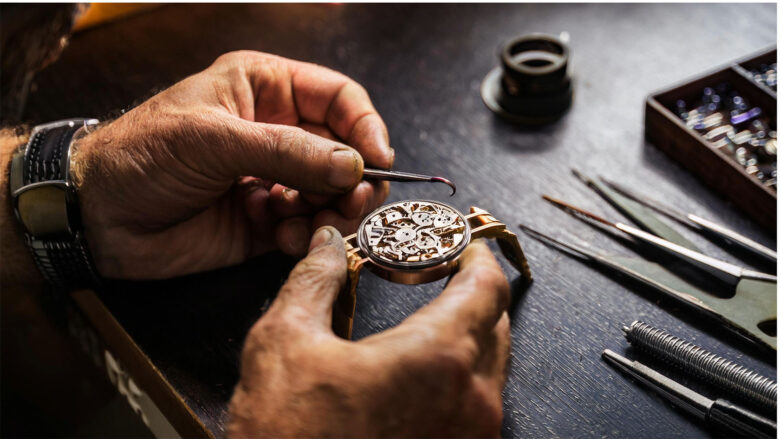
Among all accessories, watches provide the clearest example of visible craftsmanship. Case finishing, bracelet quality, clasp mechanism, index alignment, and overall engineering show the truth immediately. When exploring collections in the klocka dam category, focus on the evenness of the polish, the fit of the links, the clarity of the dial, the responsiveness of the crown, and the accuracy of the movement ticks. These details reveal everything you need to know about the manufacturer’s standards.
A Final Framework You Can Use Anywhere
Below is a simple framework to take with you while shopping.
Craftsmanship Checklist
- Materials feel sturdy and premium.
- Stitching is straight, tight, and consistent.
- Hardware is smooth, weighty, and reliable.
- Edges and surfaces look polished and intentional.
- The piece feels balanced and comfortable.
- All parts look symmetrical and coordinated.
- No loose ends, gaps, or weak points are visible.
If an accessory passes all these checks, chances are high that it was built to last.