
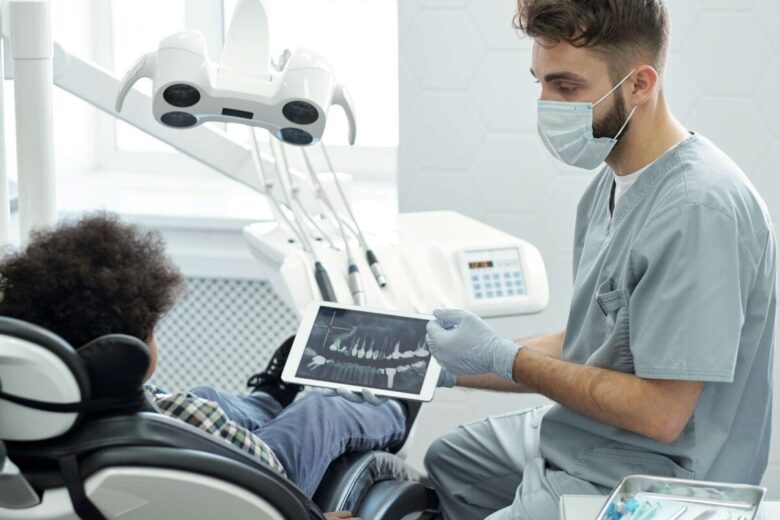
You open your calendar first thing in the morning and see five new consults, a crown prep, and a hygiene recare block. The phone rings while you’re gloved up. A patient arrives early. In the swirl, even a one-minute delay per appointment compounds. Over a full day, those small inefficiencies feel like gravitational pull.
The truth is: when you’re managing multiple patients and a growing caseload, even small workflow tweaks can mean less stress and more attention for the person in the chair. That’s exactly why technology must not be a burden; it must be a quiet ally.
In this article, we dig into key technologies that help dentists save time every day. We’ll move beyond feature lists and explore how these tools change behavior, reduce friction, and give you back minutes, even hours, in your day. Whether you’re solo or part of a growing clinic, this is about smarter motion.
Smarter Scheduling and Patient Communication

Automating appointment logistics can shave off surprising chunks of time. Traditional scheduling often means back-and-forth phone calls, text threads, and human error. Modern systems integrate reminders, online booking, and patient portals.
What this looks like in practice
- A patient books via the portal at 8:45 p.m., after dinner. The system confirms immediately, locking the slot and sending a reminder.
- Automated SMS or email reminders go out 48 hours and 24 hours before the appointment, reducing no-shows.
- A missed appointment triggers a rebooking prompt, guided by staff’s preferred time windows.
This frees staff from manual calling and keeps your day flowing.
Did you know? Clinics that adopt automated reminders report a 20–30 % drop in no-show rates (source: industry benchmarks).
By removing friction in the front office, you preserve your focus for what matters: patient care.
Chairside Software That Thinks Ahead
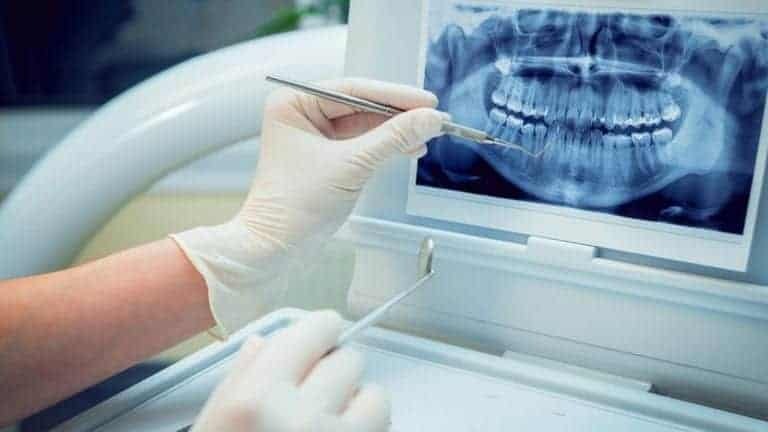
You don’t want to fumble between screens mid-procedure. A well-designed chairside system feels like your silent assistant, anticipating needed data. It pulls in prior images, treatment plans, medico-legal notes, and billing codes, all in one interface.
In one clinic I worked with, adopting a chairside solution reduced chart-opening time by almost 40%. The dentist told me, “It’s the little things: when the chart auto-populates post-treatment notes, it feels like a gift.”
Benefits in daily flow
| Before | After |
| Manually search for X-ray or CBCT | System auto-pulls relevant images |
| Switch apps to document findings | In-scene annotation + voice notes |
| Wait for coding translation | Codes suggested contextually |
| Reenter data into billing system | One click sends information forward |
By reducing toggling and duplication, the software gives you more mental bandwidth and fewer interruptions.
Digital Impression and Scanning Technology
Taking physical impressions is time-consuming and often stressful: tray selection, retakes, shipping. Digital impression systems have matured to the point where scanning can be faster, more accurate, and rework-free.
When you wave a wand, the software builds a 3D model within seconds. You inspect margins, modify digitally, and send the file to the lab electronically. No plaster, no shipping delays, no second impressions. Some practices report turnaround time cuts of 24–48 hours.
Plus, patients tend to prefer the process, the comfort factor matters. You save clinic time, and your patients leave more at ease.
AI-Driven Diagnostics and Decision Support
Platforms like Trust AI offer diagnostic support: flagging suspicious radiolucencies, proposing treatment options, and even prioritizing planning tasks. You don’t outsource judgment, but you use AI as a second set of eyes.
In real usage, one clinician reported 30 % faster radiograph review when the AI pre-highlighted areas of concern. That speed doesn’t come from skipping diligence, it comes from focusing your attention where it matters.
Incorporating AI into your diagnostic workflow means:
- Less “scan-scroll-scan” fatigue
- A safety net for oversight
- Quicker confidence in treatment planning
When you’re fatigued at 4 p.m., that nudge from the tool can prevent errors and save you from rework later.
Interoperability and Data Flow Integration

You can have the sleekest software and smartest AI, but if systems don’t talk to one another, you lose value. Integration across imaging, EHR, lab communication, billing, and referral systems is vital.
Key integration patterns are:
- One-click referrals: Send patient data and images to a specialist or lab without exporting/importing manually.
- Unified health record: Updates in one system ripple to all others in real time.
- Billing sync: A completed procedure in the chairside system triggers the appropriate billing codes in your practice management software.
When systems are siloed, technicians retype, reconcile errors, and guard against mismatches. Integration streamlines operations and reduces error correction.
Voice Recognition and Smart Transcription
Your hands are often busy. Typing mid-consultation interrupts the human connection. Voice recognition tools have become sophisticated enough for medical and dental use.
Here’s how to use speech smartly:
- Speak into the microphone while you work.
- The system transcribes and tags terms (e.g., “mesial decay on 14, plan composite restoration”).
- You review, correct minor mis-recognitions, and the note finalizes.
Practices I’ve seen using this report shaving off 2–3 minutes per patient just on documentation. Those minutes add up. You preserve eye contact and rapport instead of watching your fingers hunt for keys.
Remote Monitoring and Teledentistry Tools
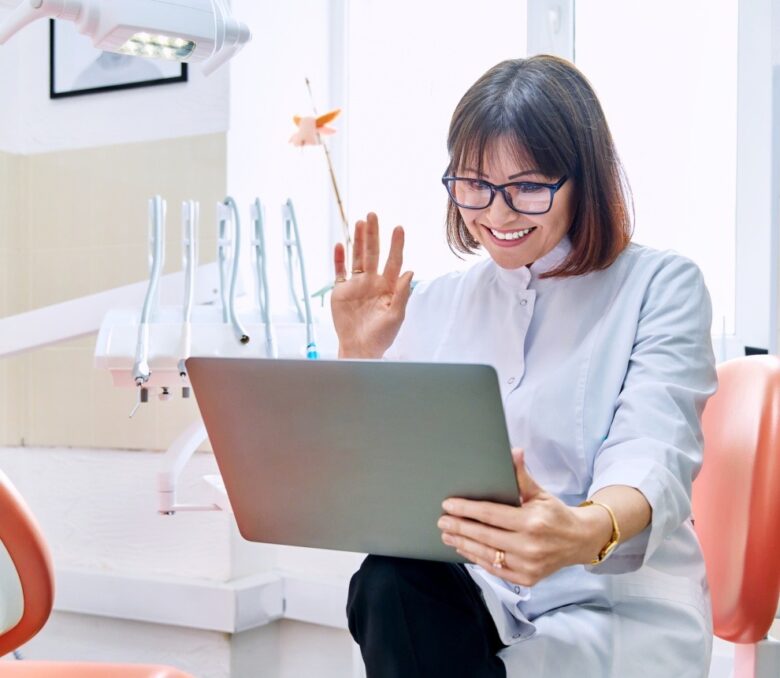
Consider this: a patient with early-stage gingivitis is on a home-care protocol. Rather than waiting until the next hygiene visit, you monitor compliance remotely. Photos, messaging, or app check-ins can flag progress or setbacks.
When you catch an issue early, you avoid emergency visits or treatment escalation. That’s saving time not only for you, but for the patient and improves outcomes.
Teledentistry also supports screening, pre-op consults, or post-op check-ins. Some clinics triage via teleconsults, reducing unnecessary in-person visits.
Daily Workflow Rituals Enhanced by Tech
Technology alone doesn’t optimize your day. You combine tech with intentional habits.
- Morning batch review: Use your software to glance at the day’s imaging, treatment plans, and alerts before patients arrive.
- Midday “pause buffer”: A 10-minute slot to catch up, clear notes, or prep the next room.
- Evening wrap-up automation: Generate brief summary reports, send reminders, export billing codes for the next morning.
When your systems support these rituals, pulling in exactly what you need, when you need it – your day stretches cleaner and calmer.
Barriers, Challenges, and Adoption Tips
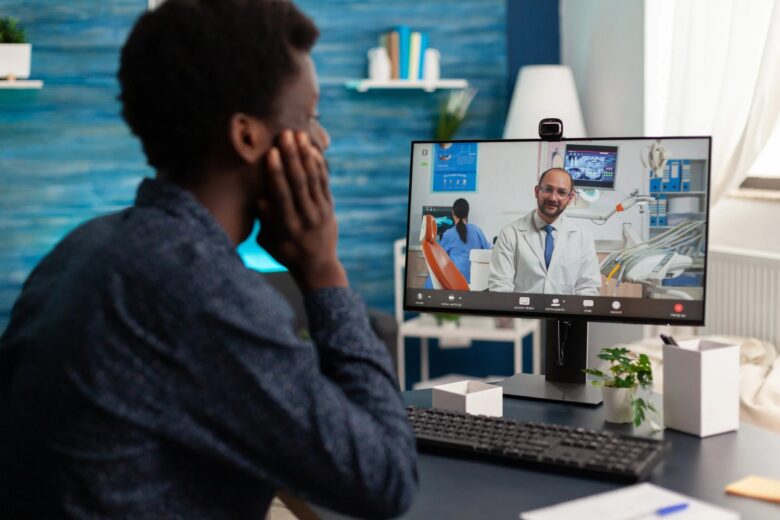
Even the most promising dental technology can feel like friction before it becomes fluent. Every new system asks for adjustment, from your team, your schedule, and your patience. To move from resistance to routine, it helps to visualize the common hurdles and the steps that smooth them out.
Table: Common Barriers and How to Overcome Them
| Challenge | What It Looks Like | Practical Way Forward |
| Staff resistance or uncertainty | Team members fear errors or feel overwhelmed by change. | Begin with one operatory pilot, provide real-time shadowing, and celebrate early wins. |
| Data migration complexity | Records may not align between old and new systems. | Schedule phased data import with IT support and verify small batches before full migration. |
| Cost justification | Upfront investment seems high without visible ROI. | Track time saved per task and calculate ROI after the first 60 days to show measurable gains. |
| Interoperability gaps | Systems don’t exchange data smoothly. | Choose vendors committed to open integration and test links before purchase. |
When your team sees progress, not just promises, confidence rises and adoption accelerates naturally.
Summary Thoughts
Dentistry is a demanding craft. The people, precision, and complexity demand your focus, not your burdened throughput. That’s why choosing key technologies that help dentists save time every day is less about gadgets and more about reshaping your workflow so technology hums in the background.
From smarter scheduling and chairside integration, to AI diagnostics, voice transcription, and remote monitoring, each tool gives you a buffer against chaos. Integration and habit design turn those buffers into structure. Yes, adoption takes intention. But once the parts click, your workday feels less like a race and more like a rhythm.
In the end, saving time is a gift you give your patients, your team, and yourself.