
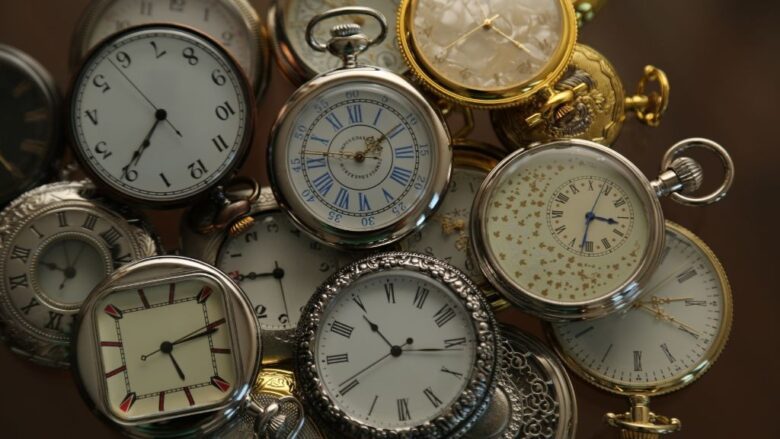
A great watch is more than a way to tell time. It’s a piece of history that sits quietly on the wrist, carrying decades of craftsmanship, invention, and human obsession with precision.
Over the past century, certain watches have not only set new technical standards but also shaped the entire culture of horology.
From the trenches of World War I to the decks of deep-sea expeditions and the surface of the Moon, each milestone in watchmaking has been marked by a timepiece that shifted what people thought was possible.
The Birth of the Wristwatch
Before the early 1900s, watches were pocket-sized. The idea of strapping one to the wrist seemed odd, even feminine, to many men of the time.
That perception changed when practicality took over. Soldiers needed to check time quickly without fumbling through pockets. So began the rise of the wristwatch.
Early aviators and explorers often relied on precision-made luxury watches that combined practicality with craftsmanship, setting the stage for what would soon become the modern wristwatch.
Cartier Santos (1904)
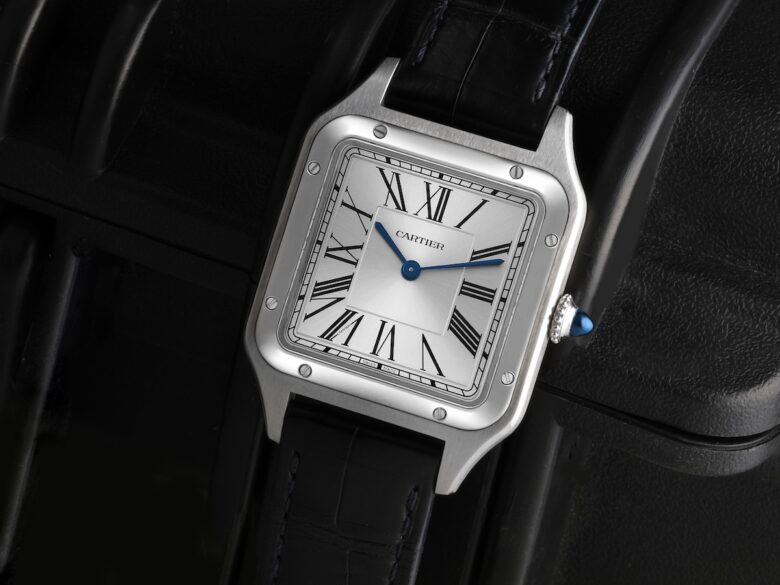
In 1904, Louis Cartier created a watch for his friend Alberto Santos-Dumont, a Brazilian aviator who complained that pocket watches were impractical during flight. The Cartier Santos became one of the first wristwatches designed specifically for men.
It introduced a clean square face, visible screws, and a design language that still influences Cartier’s modern collections today.
What made it iconic was its purpose: it wasn’t about jewelry or vanity. It was about function. The Santos proved that a wristwatch could be both useful and elegant, setting the stage for the century that followed.
The Age of Military and Tool Watches
As wars reshaped the world, they also reshaped watchmaking. The demand for precision, durability, and reliability led to innovations that are now standard in both luxury and practical watches.
Rolex Oyster (1926)
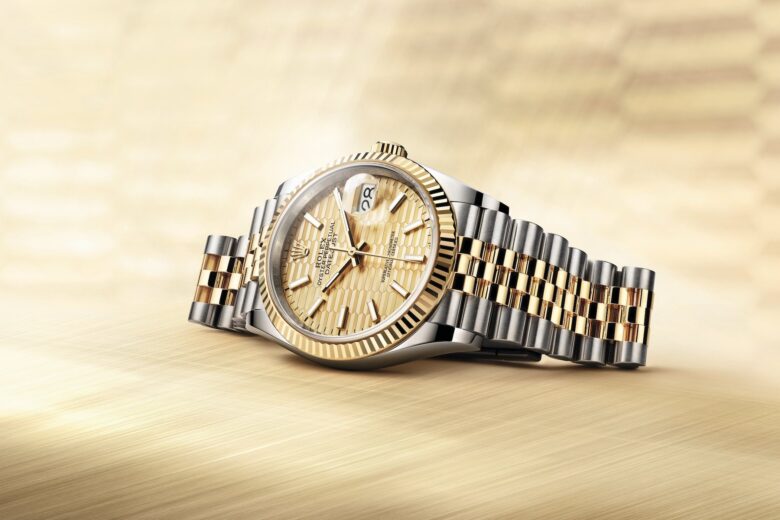
When Rolex introduced the Oyster, it became the world’s first truly waterproof wristwatch. Its hermetically sealed case was a revelation. In 1927, Mercedes Gleitze swam across the English Channel wearing an Oyster, and the watch survived without a drop of water inside. Rolex used that story brilliantly in marketing, and the “Oyster” name became synonymous with toughness and prestige.
The success of the Oyster laid the foundation for later legends like the Submariner and GMT-Master. Its design DNA: screw-down crown, robust case, and precision movement, defined what a durable luxury watch should be.
Omega Speedmaster (1957)
Originally made for motorsports, the Omega Speedmaster achieved its legendary status in 1969, when it became the first watch worn on the Moon.
NASA had tested several chronographs, but only the Speedmaster survived the extreme conditions of vibration, vacuum, and temperature swings. It became part of every Apollo mission afterward.
The Speedmaster didn’t just mark a moment in space exploration; it became a symbol of human achievement. Collectors call it the “Moonwatch,” and even today, it remains one of Omega’s flagship models, often recreated but never replaced.
Panerai Radiomir (1936)
In the 1930s, the Italian Navy commissioned Panerai to produce highly legible underwater watches. The result was the Radiomir, named after the luminous material used to make its numerals glow in the dark. Its cushion-shaped case, oversized crown, and bold markers defined what a professional diving instrument should look like.
Panerai remained a secret weapon of the Italian military for decades before civilians could buy one. When vintage models surfaced in the 1990s, they sparked a cult following among collectors and revived Panerai as a major luxury brand.
The Quartz Revolution
The 1970s brought a shock unlike any before. Traditional mechanical watchmakers faced a crisis when quartz technology emerged, offering incredible accuracy at a fraction of the cost. The shift nearly destroyed the Swiss industry, but it also forced it to evolve.
Seiko Astron (1969)
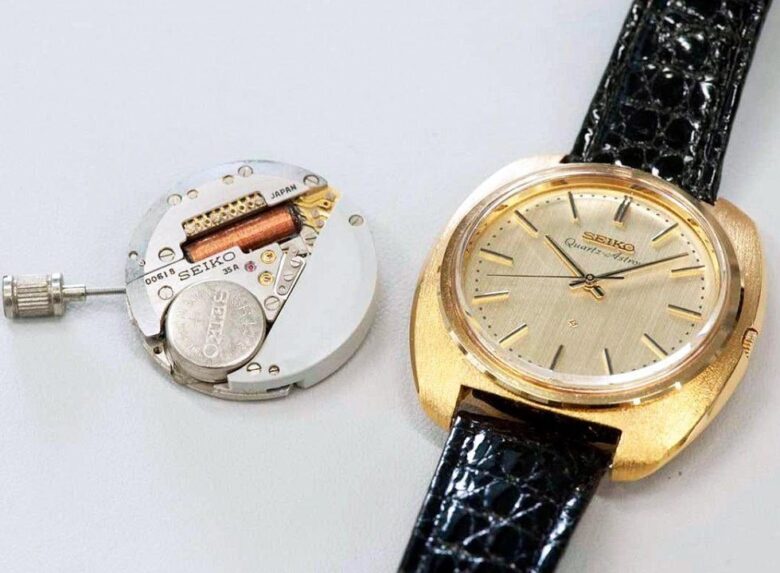
The Seiko Astron was the first quartz wristwatch, and it changed everything. Powered by a quartz crystal oscillator, it kept time ten times more accurately than a mechanical watch. When it launched, it cost as much as a car, but within a decade, quartz watches became affordable and widespread.
The Astron marked the start of the “Quartz Revolution,” a time when Japan dominated global watchmaking. Traditional brands had to rethink their identity, focusing more on artistry and craftsmanship than just accuracy.
Swatch Originals (1983)
The Swiss answer to the quartz crisis came from an unexpected direction: fun and affordability. The Swatch watch arrived in 1983 as a colorful, plastic, fashion-forward alternative to luxury timepieces. It wasn’t about prestige and personality.
Swatch helped save the Swiss industry by reintroducing watches as pop culture objects.
With bold designs and limited editions, it made wearing a watch cool again for a generation that was starting to rely on digital clocks.
In doing so, it created the financial stability that allowed Switzerland’s high-end brands to recover.
The Era of Diving and Sports Watches
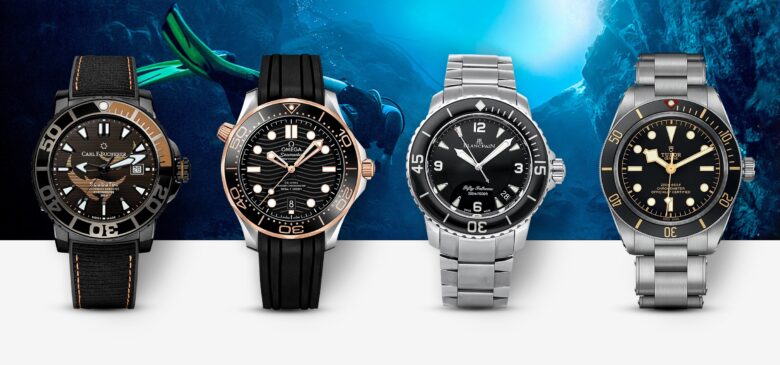
As recreational diving, motorsports, and aviation took off after the 1950s, so did the development of specialized tool watches. They were designed for extreme conditions but ended up as style icons.
Rolex Submariner (1953)
Few watches are as instantly recognizable as the Rolex Submariner. Launched in 1953, it was one of the first diving watches capable of handling 100 meters of depth.
Its rotating bezel, luminous hands, and rugged stainless-steel build became the blueprint for all future dive watches.
The Submariner became a cultural artifact. From James Bond films to professional diving missions, it bridged worlds of elegance and adventure.
Many argue that no other watch has had as lasting an influence on both watchmaking and pop culture.
Blancpain Fifty Fathoms (1953)
Released the same year as the Submariner, the Blancpain Fifty Fathoms was created for French naval divers.
It featured a locking bezel, anti-magnetic case, and high water resistance, setting the professional standard for dive watches.
While Rolex dominated the mainstream, Blancpain remained the purist’s choice. It represented the serious, military-grade side of underwater horology and helped establish the ISO standards that define dive watches today.
TAG Heuer Monaco (1969)
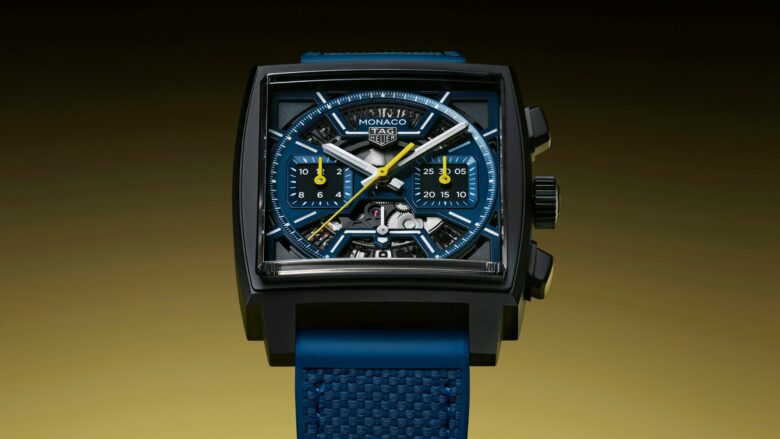
When the TAG Heuer Monaco debuted, it turned heads for two reasons: its bold square case and its role as the first automatic chronograph. Steve McQueen wore it in the film Le Mans, and it instantly became a symbol of motorsport cool.
The Monaco’s unconventional design and racing heritage made it one of the most collectible chronographs of the 20th century. Its blue dial and square frame still look futuristic decades later.
The Age of Complications and Haute Horlogerie
After surviving the quartz crisis, traditional brands refocused on mechanical mastery. Watchmakers began to push the boundaries of engineering, combining precision with artistic flair.
Audemars Piguet Royal Oak (1972)
The Royal Oak, designed by Gérald Genta, changed luxury watchmaking forever. With its octagonal bezel, visible screws, and integrated bracelet, it broke every rule of elegance.
When launched, it was considered shockingly expensive for a steel watch, but it redefined what luxury could mean.
The Royal Oak opened the door to the “luxury sports watch” category, inspiring later icons like the Patek Philippe Nautilus and Vacheron Constantin Overseas. Today, it’s seen as the most influential design of the modern era.
Patek Philippe Calatrava (1932)
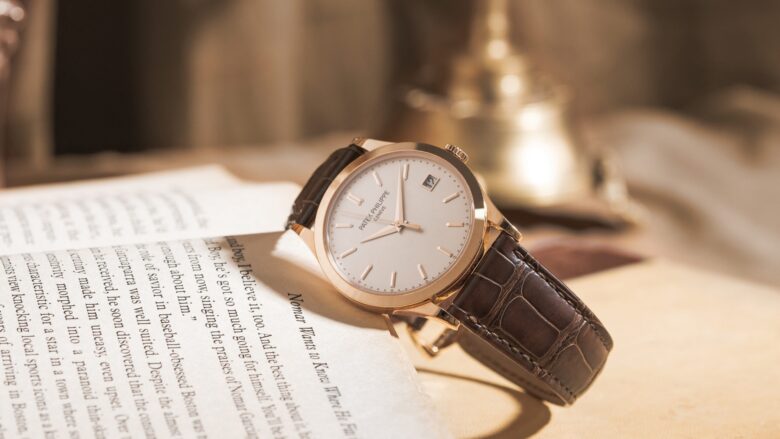
The Calatrava embodies pure watchmaking minimalism. Introduced in the early 1930s, it set the standard for what a dress watch should look like: clean dial, slim case, flawless symmetry. Every line was intentional, every proportion deliberate.
Patek Philippe used the Calatrava to express its philosophy that a watch should be timeless, not trendy. Nearly a century later, the design remains untouched, proof that perfection doesn’t need to evolve.
Jaeger-LeCoultre Reverso (1931)
The Reverso was created for polo players who needed to protect their watch glass during matches. Its case could flip over, shielding the dial with a solid metal back. Beyond its clever mechanics, the rectangular Art Deco design became an icon in itself.
Collectors love the Reverso for its versatility, elegant enough for formal wear, yet originally built for sport. It represents the harmony between innovation and style that defines great watchmaking.
The Rise of Smartwatches and the Return of Craftsmanship
In the 21st century, the conversation shifted again. Smartwatches entered the scene, but instead of replacing mechanical ones, they created a new balance between technology and tradition.
Apple Watch (2015)
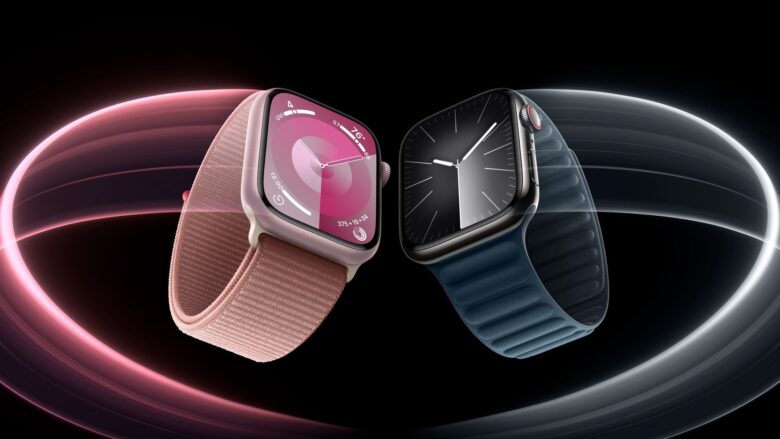
The Apple Watch reintroduced the wristwatch to a new generation. It’s not mechanical, but it revolutionized how people interact with time and health. It tracks heart rate, workouts, messages, and even medical data. In doing so, it reminded people of the wrist’s natural role as a place for essential information.
While purists may scoff at calling it a “watch,” its cultural impact is undeniable. It made wristwear relevant again in a digital era, just as the Swatch did in the 1980s.
A Return to Heritage
Ironically, the rise of smartwatches has reignited interest in mechanical craftsmanship. Many buyers seek the tactile pleasure and human artistry that no circuit board can replicate.
Brands like Grand Seiko, Tudor, and A. Lange & Söhne have seen renewed appreciation for their commitment to detail and legacy.
Modern collectors often balance both worlds; wearing a smartwatch during the day and a mechanical piece for personal moments or formal occasions. The coexistence of innovation and tradition has made watches more personal than ever.
Comparing Key Innovations
| Watch Model | Year | Key Innovation | Legacy |
| Cartier Santos | 1904 | First men’s wristwatch | Defined early wristwear design |
| Rolex Oyster | 1926 | Waterproof case | Set durability standards |
| Omega Speedmaster | 1957 | NASA-certified chronograph | First watch on the Moon |
| Seiko Astron | 1969 | First quartz movement | Started the Quartz Revolution |
| Rolex Submariner | 1953 | Professional dive watch | Cultural and design icon |
| Audemars Piguet Royal Oak | 1972 | Luxury steel sports watch | Redefined luxury design |
| Apple Watch | 2015 | Smartwatch integration | Modernized wristwear relevance |
Why These Watches Still Matter
Each of these timepieces represents more than a date in history. They reveal how watchmaking reflects human ambition. When people wanted to fly, dive, race, or reach space, they needed a watch that could go with them.
When technology challenged tradition, watchmakers turned to creativity, not retreat. And when digital took over, mechanical artistry found a new kind of audience.
Collectors today are drawn not only to the names, such as Rolex, Patek, Omega, but to the stories embedded in each crown and caseback. Every scratch tells a story, every movement a heartbeat of craftsmanship passed down through generations.
Final Thoughts
Watchmaking has always been about more than keeping time. It’s about preserving humanity’s pursuit of precision, beauty, and endurance in miniature form. The most iconic timepieces are not merely tools or accessories; they are mechanical records of human progress.
A Cartier Santos on a pilot’s wrist, a Speedmaster ticking on the Moon, or a Royal Oak gleaming under city lights, all of them mark chapters in the ongoing story of how humans measure life itself.