
A heart monitor loses connection for three seconds. The nurse doesn’t get the alarm. By the time someone checks the patient, it’s too late. This nightmare keeps hospital IT teams awake at night. Medical devices generate mountains of data every minute. Ventilators, infusion pumps, patient monitors, all streaming numbers that someone, somewhere needs to see right now.
Why Healthcare Networks Are Different
Your home Wi-Fi drops out sometimes. You restart the router. Problem solved. Try that approach in an intensive care unit and people die. Hospital networks face obstacles that would crush regular systems. Lead-lined X-ray rooms block signals like underground bunkers. MRI machines create magnetic fields that scramble electronics. Concrete walls three feet thick separate critical care units. Then you have thousands of devices all screaming for bandwidth at once.
Security turns everything into a nightmare. Hackers love medical data. It sells for more than credit card numbers on the Dark Web. One patient record can fetch hundreds of dollars. Hospitals store millions of them. Every connection needs bulletproof encryption. Every device requires constant authentication. One weak link compromises everything.
Government rules pile on thick. FDA regulations govern medical devices. HIPAA threatens massive fines for data breaches. State privacy laws add more requirements. Network engineers juggle all these rules while trying to keep critically ill patients connected to life-saving equipment.
The Human Factor
Nurses didn’t sign up to be network technicians. They’re too busy saving lives to debug connection problems. Any technology that needs a manual thicker than a phonebook will gather dust in a storage closet. Patients won’t stay put. They roll from emergency departments to operating rooms. They ride elevators between floors. They transfer between buildings. Their monitors must stay connected through every move.

Home healthcare throws everything out the window. Grandma’s heart monitor needs to work at her house in rural Montana, where cell towers are myths and internet means satellite on a good day. Yet her cardiologist in Denver needs those readings every morning. No exceptions.
Modern Solutions Emerge
Clever engineers are attacking these problems from new angles. Networks now overlap. Each access point covers its neighbors’ zones. When one fails, three others grab its load before anyone notices. IoT medical device solutions using cellular backup ensure connections survive even when primary networks fail, and companies like Blues IoT enable healthcare providers to deploy monitors that stay online whether patients are in the ICU or their living room. This redundancy saves lives when seconds count.
Smart processing happens right at the bedside now. Devices analyze data themselves instead of shipping everything to distant servers. Only critical changes trigger alerts. Network traffic drops. Response times shrink. Everyone wins. Networks are learning to fix themselves. Machine learning watches for trouble patterns. Connections get rerouted before they fail. Bandwidth adjusts automatically when demand spikes. IT teams fix problems that haven’t happened yet.
The Path Forward
Remote surgery is coming. Robot surgeons controlled from thousands of miles away. Video calls replacing office visits. AI diagnosis running on distributed networks. This requires reliable connections. Hospitals investing in network infrastructure are making wise investments.
They’re investing in future healthcare. Facilities pinching pennies on connectivity will watch competitors zoom past them. IT staff, doctors, nurses, and vendors must work together. Tech people need to understand medical workflows. Medical staff need to grasp basic network concepts. Vendors must build products that actually work in real hospitals, not just in laboratories.
Building Networks Around Clinical Risk
The next stage of healthcare connectivity will depend on networks designed around clinical risk, not generic performance targets. A hospital can tolerate a slow guest Wi-Fi login. It cannot tolerate a delayed sepsis alert, a frozen telemetry feed, or a disconnected infusion pump during transport.
That means healthcare networks need clear traffic priorities. Patient monitoring data, medication delivery systems, imaging transfers, nurse call systems, and emergency alerts should not compete equally with administrative traffic or visitor devices. Critical data needs protected lanes, predictable latency, and automatic failover when one route becomes unstable.

For IT teams, this shifts the job from simple uptime management to clinical continuity planning. The real question is not only whether the network is online. It is whether the right device can reach the right clinician at the exact moment care depends on it.
Device Visibility Will Become Essential
Hospitals already struggle with the number of connected devices on their networks. That problem will only grow as more beds, carts, pumps, wearables, imaging tools, and remote monitoring systems come online.
Reliable connectivity starts with knowing what is connected. IT teams need live visibility into every approved device, where it is located, how it is behaving, what software it runs, and whether it is communicating normally. Unknown devices should not be able to quietly join the network and create security or performance problems.
This matters because many medical devices remain in use for years. Some run older software. Some receive updates slowly because they need vendor validation. Others move from department to department and connect under different conditions. Without strong device inventory and monitoring, hospitals end up reacting after problems appear instead of preventing them.
Remote Care Raises The Stakes
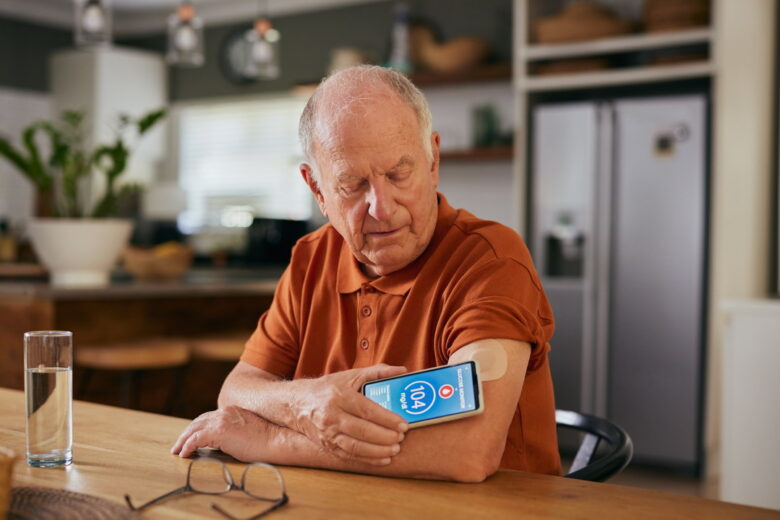
Remote patient monitoring is pushing healthcare connectivity beyond hospital walls. Blood pressure cuffs, glucose monitors, cardiac patches, pulse oximeters, and home recovery tools now send data from ordinary homes into clinical systems.
That creates a different kind of reliability challenge. Hospitals cannot control every router, mobile signal, building layout, or power outage in a patient’s home. Rural patients may have weak broadband. Older patients may unplug devices by mistake. Some homes may have overloaded networks or poor cellular reception.
For remote care to work safely, devices need simple setup, automatic reconnection, battery awareness, and multiple communication paths where possible. Clinicians also need alerts that separate true patient risk from technical noise. A missing reading should trigger a different workflow than a dangerous reading.
Cybersecurity Has To Stay Invisible To Care Teams
Stronger security cannot slow down care. Doctors and nurses need fast access to patient data, but hospitals also need strict authentication, encryption, segmentation, and monitoring.
The best systems will protect clinical networks in the background. Staff should not have to fight repeated logins, confusing prompts, or device pairing problems during urgent care. Security tools need to recognize trusted users, trusted locations, and approved devices while blocking suspicious behavior quickly.

This balance will define the future of healthcare connectivity: secure enough to resist attacks, simple enough that care teams can keep moving.
Conclusion
Healthcare connectivity challenges go way beyond simple networking problems. Yet somehow, dedicated teams make it work every day. The hospitals that solve these puzzles will define tomorrow’s standard of care. Everyone else will wonder why their patients went elsewhere.