
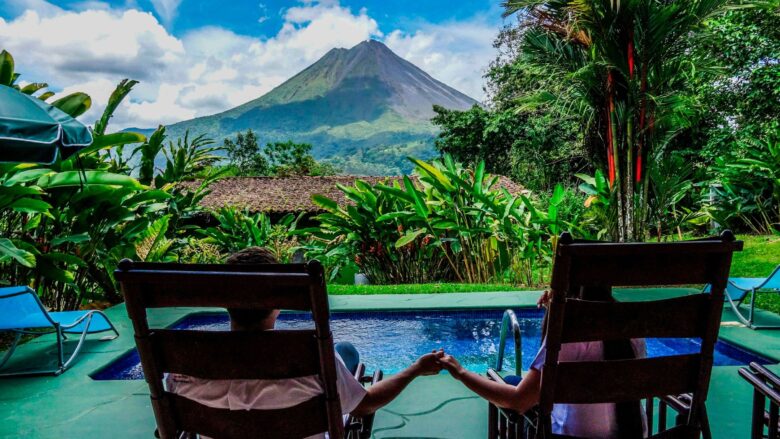
Costa Rica is a place most travelers know for its lush beaches and all-inclusive resorts. While those have their appeal, the true magic of the country often lies far beyond hotel gates.
The essence of Costa Rica comes alive in cloud forests, small towns, river valleys, and cultural encounters that offer far richer memories than poolside cocktails.
If you are seeking travel experiences that genuinely connect you to the land and its people, you’ll need to venture off the beaten path.
Key Points
- Unique experiences start where the resorts end: rural towns, forests, and coastal villages.
- Outdoor adventures like rafting, hiking, and wildlife watching showcase Costa Rica’s real identity.
- Cultural immersion adds depth, from local cooking classes to community-based eco-projects.
- Staying outside resorts often means better sustainability and direct support for locals.
- Destinations like Monteverde, Sarapiquí, and Nicoya Peninsula offer authentic highlights.
Why Leaving the Resorts Changes Your Journey

Resorts can make travel convenient, but they often insulate visitors from the everyday life of Costa Rica.
Beyond manicured gardens, you’ll find raw natural beauty and traditions that locals carry with pride. Hiking a forest trail where howler monkeys call overhead or learning to prepare gallo pinto in a family kitchen makes for a completely different type of holiday.
Many travelers who spend at least part of their trip outside resorts say they return with a deeper appreciation of Costa Rica’s biodiversity and culture.
By stepping away from tourist bubbles, you not only discover wilder landscapes but also participate in experiences that shape your perspective.
Immersive Encounters in the Cloud Forests
One of the most remarkable ways to escape the resort circuit is by heading into Costa Rica’s cloud forests. Monteverde, with its hanging bridges and thick mist, offers trails where orchids grow wild and hummingbirds hover at arm’s length.
The soundscape alone – raindrops falling through layered canopies and bird calls echoing from unseen branches – reminds you that you are part of one of the richest ecosystems on Earth.
Many visitors find a stay at eco-lodges in Monteverde far more rewarding than a beach hotel. You wake up to mountain air, sip locally grown coffee, and set out with guides who can name every plant and bird you encounter.
These experiences are curated for learning as much as for leisure, which makes them ideal for travelers who want to return home with knowledge, not just souvenirs.
This is also the perfect place to seek reflection and renewal. Projects such as New Life Rising highlight how Costa Rica has become a destination not only for ecotourism but also for personal growth journeys.
Many travelers choose to combine outdoor adventure with inner exploration, blending hikes and nature walks with retreats focused on mindfulness and wellness.
Exploring the Rivers and Valleys
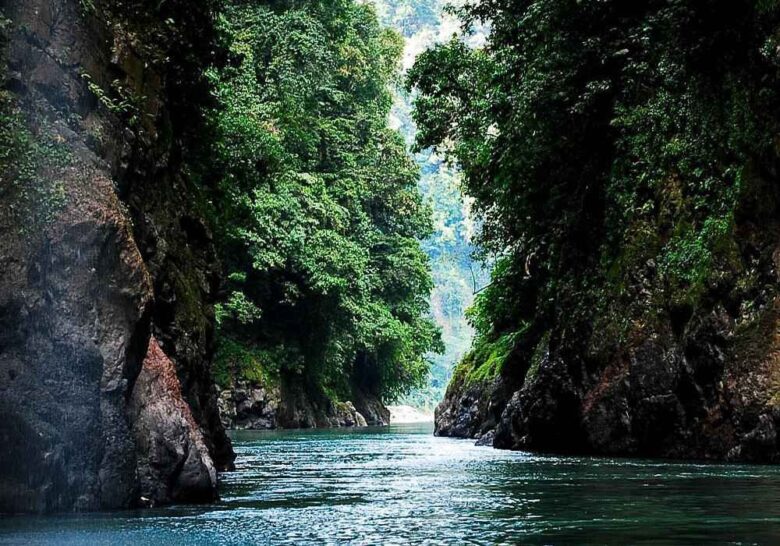
Costa Rica’s waterways are a world of their own. Far from crowded beaches, rivers like the Pacuare or Sarapiquí offer rafting and kayaking adventures that put you at the heart of tropical scenery.
Staying overnight in a riverside lodge, accessible only by boat or trail, is an experience that makes you feel cut off from modern noise and closer to the rhythms of nature.
Highlights of river and valley travel in Costa Rica include:
- Whitewater rafting on the Pacuare River, often ranked among the world’s top rafting destinations for both scenery and adventure.
- Kayaking on the Sarapiquí River, where calm sections allow for close-up wildlife spotting and peaceful paddling.
- Riverside eco-lodges, many of which are run by local communities and provide an authentic stay deep in nature.
- Coffee plantation tours in Orosi Valley, where visitors can follow the bean-to-cup process and sample fresh brews.
- Birdwatching in San Gerardo de Dota, a highland valley famous for sightings of the resplendent quetzal.
Cultural Connections Beyond Tourist Corridors
While nature is Costa Rica’s calling card, the country’s culture adds an equally important dimension to your journey. Outside resorts, small towns such as Sarchí are known for colorful hand-painted oxcarts, a craft passed down for generations. Wandering through workshops, you see artisans carefully detailing each wheel, turning a practical object into a national symbol.
In rural areas, families open their kitchens to travelers who want to learn local cooking. Joining a hands-on class where you prepare tortillas or arroz con pollo gives you a sense of daily life. More importantly, you share a table with people who are proud to preserve culinary traditions.
Festivals are another gateway to cultural immersion. Visit during Independence Day in September and you’ll see parades of school children carrying lanterns, towns decorated in red, white, and blue, and folk dances performed in community squares.
These moments often reveal more about Costa Rican identity than resort-organized shows.
Adventure on the Nicoya Peninsula

The Nicoya Peninsula is best known for beaches, but away from luxury hotels, it is one of the world’s five Blue Zones – regions where people live significantly longer, healthier lives. Travelers who venture inland find farming villages, cattle ranches, and a slower pace that has much to teach about balance.
For those drawn to surfing, towns like Santa Teresa still carry a rugged charm beyond the mainstream surf scene.
Dirt roads, yoga studios, and small organic cafes form a rhythm that feels far removed from resort uniformity. It’s a place where mornings start with waves and evenings end with sunsets shared by both locals and visitors.
Nicoya is also rich in hiking opportunities, particularly in Cabo Blanco Absolute Reserve. Trails take you through dense tropical forest before opening to deserted beaches where sea turtles nest. The combination of adventure and solitude here feels uniquely Costa Rican.
Practical Tips for Off-Resort Travel
While the idea of leaving resorts sounds appealing, a bit of planning ensures your trip is both safe and rewarding.
- Transportation: Public buses connect most towns, but renting a 4×4 vehicle gives you freedom to explore less accessible areas.
- Guides: Hiring local guides not only enriches your experience but also supports sustainable tourism. They know the ecosystems intimately and can reveal details you would miss on your own.
- Accommodation: Eco-lodges, homestays, and community-run cabins are excellent options. They often include meals made from local ingredients and provide cultural interaction.
- Timing: The dry season (December to April) makes travel easier, but the rainy season has fewer tourists and lush landscapes.
Travelers who follow these guidelines find that the transition from resort-based comfort to authentic adventures is smoother than expected.
Final Thoughts
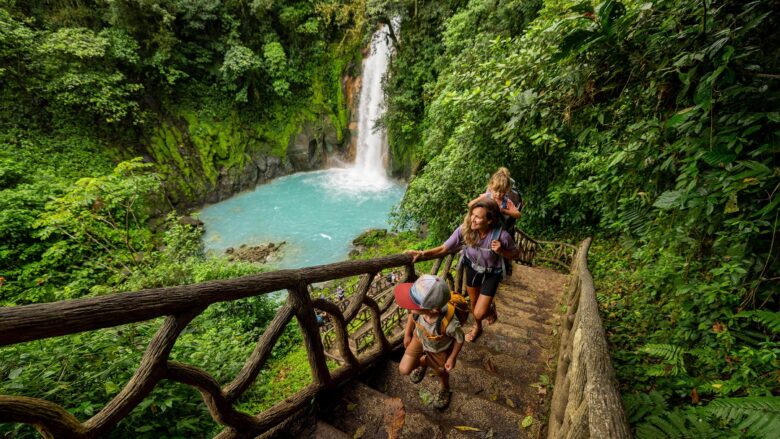
Unique travel experiences in Costa Rica start once you step outside the resort gates. Whether walking through the mist of Monteverde, rafting down untamed rivers, learning to cook with locals, or hiking coastal reserves, you’re connecting with the country in a way that feels both personal and meaningful.
By embracing these journeys, you not only bring home better stories but also support the communities and environments that make Costa Rica one of the world’s most remarkable destinations.
Resorts offer relaxation, but it is in the wild trails, family kitchens, and cultural squares where the heart of Costa Rica truly beats.