
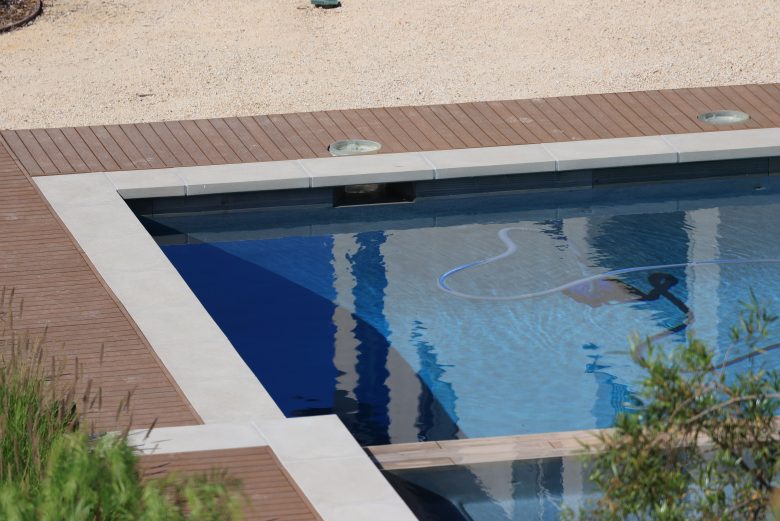
Outdoor spaces used to come with an unspoken contract: mow, stain, seal, weed, water, repaint and replace. More homeowners are now trying to renegotiate that contract. They want patios, paths, planting areas and furniture that still look intentional without turning every weekend into a maintenance schedule.
That is why low-maintenance outdoor materials are becoming more popular. The change is not only about convenience. Water restrictions, hotter summers, ageing homeowners, smaller gardens and the rising cost of paid maintenance are all changing what people expect from an outdoor space.
The important qualification is that low-maintenance does not mean maintenance-free. The best choices reduce the frequency, intensity or consequences of routine care. The worst choices simply move the work elsewhere, or create an environmental problem that is harder to see.
Table of Contents
- Why the shift is happening now
- What counts as low-maintenance?
- A practical comparison of outdoor options
- The materials gaining attention
- Where the low-maintenance argument breaks down
- How to choose materials that will actually last
- Frequently Asked Questions
Why the shift is happening now
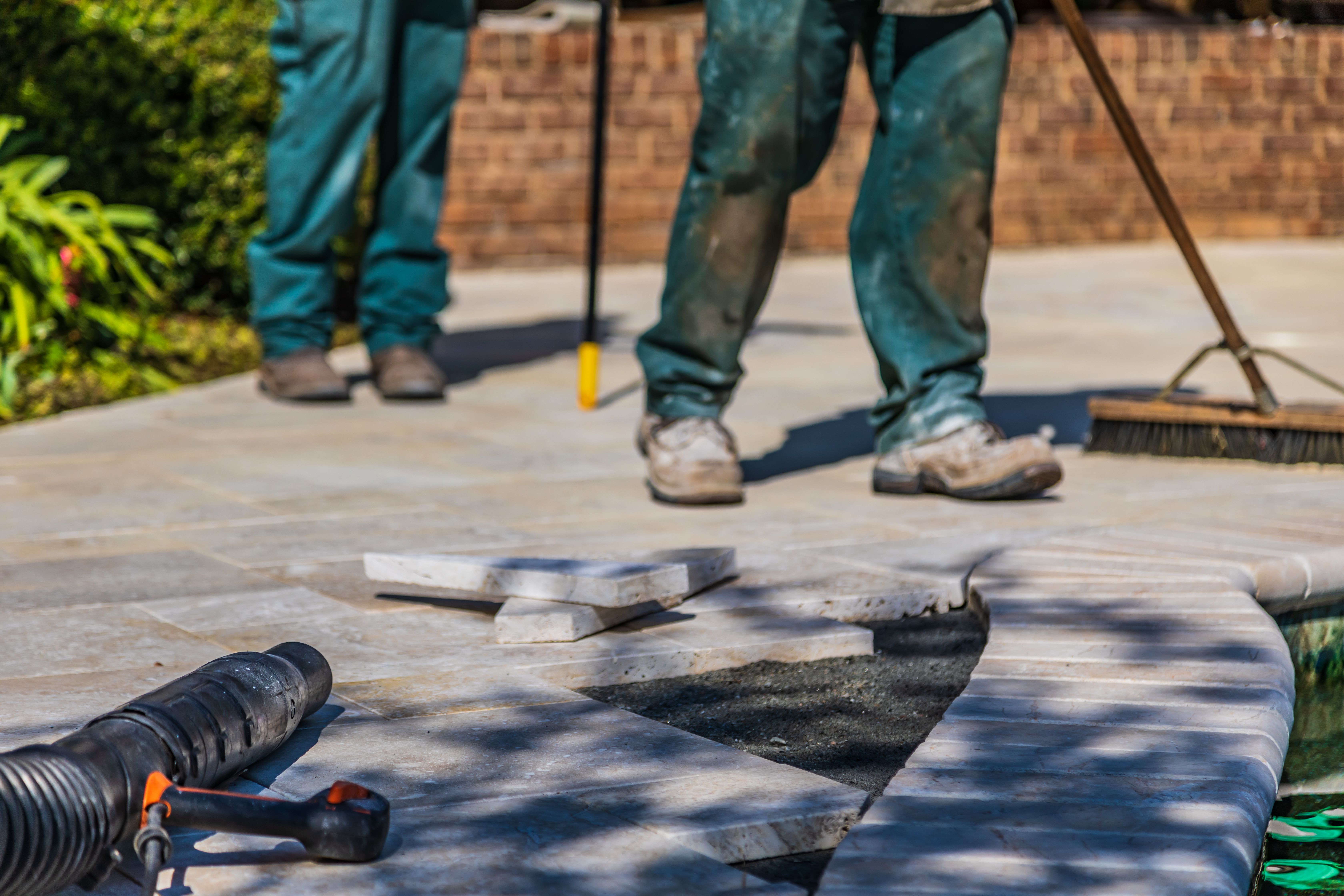
Outdoor maintenance has become more expensive in both money and effort. A lawn needs mowing and edging; timber may need staining; porous surfaces can collect weeds; irrigation systems can leak; and outdoor furniture is exposed to sun, rain and temperature swings every day. A material that survives those conditions with occasional cleaning can be more attractive than one that is cheap to install but demands constant attention.
Water is another major driver. The U.S. Department of Energy’s guidance on water-efficient landscaping recommends climate-appropriate plants, smaller turf areas, mulch and grouping plants by similar water needs. Those choices reduce the need for supplemental irrigation and can also reduce the labour associated with mowing, trimming and correcting failed planting.
There is a less obvious reason, too: outdoor spaces are being used more like rooms. People install seating, dining areas, shade structures and cooking equipment, so a patio is no longer just a decorative surface viewed through a window. It has to handle foot traffic, spills, furniture movement and weather without becoming fragile.
What counts as low-maintenance?
A low-maintenance material is not simply one that looks modern or comes with a reassuring product label. It should perform well under the actual conditions of the site and need only predictable, manageable care.
That usually means considering five questions:
- Will it tolerate the local sun, rainfall, frost, heat and moisture?
- Can ordinary dirt, leaves and stains be removed without specialist treatment?
- Does it resist rot, corrosion, cracking, fading or biological growth?
- Can damaged sections be repaired without replacing the entire installation?
- Will its drainage and foundation remain effective over time?
The last question is often ignored. A patio may use highly durable tiles, but poor falls or an unstable base can lead to movement and standing water. Likewise, a gravel landscape can be easy to care for when properly edged, yet become difficult when soil migrates into the stone and weeds establish.
A practical comparison of outdoor options
The table below focuses on the maintenance problem each option is intended to reduce. It is not a universal ranking: climate, installation, drainage and how the space is used matter more than a material’s marketing category.
| Outdoor option | Maintenance it can reduce | Maintenance it still needs | Main decision point |
|---|---|---|---|
| Permeable paving | Runoff and some conventional drainage requirements | Debris removal, sweeping or vacuuming, inspections for clogging | It needs a suitable base and a plan to prevent sediment blocking the surface |
| Climate-appropriate planting | Frequent watering, pest intervention and excessive pruning | Establishment watering, weeding and seasonal care | Choose plants for the site rather than forcing unsuitable plants to survive |
| Gravel or rock mulch | Mowing and some irrigation demand | Weed control, edging and occasional redistribution | It should complement drainage and should not replace every living plant |
| Weather-resistant outdoor furniture | Frequent repainting, refinishing and replacement | Cleaning, checking fixings and protecting vulnerable components | Material choice must match exposure, especially strong sun or coastal air |
Source note: The comparison reflects guidance from the U.S. Environmental Protection Agency, the University of Delaware Cooperative Extension and the U.S. Department of Energy, reviewed for this article in October 2026. Permeable surfaces still require routine care; the EPA specifically warns that maintenance is necessary for them to function as designed.
The materials gaining attention
Permeable paving instead of a fully sealed surface
Permeable paving is designed to let rain pass through the surface into an underlying stone layer and soil. The EPA identifies porous asphalt, pervious concrete and permeable interlocking concrete pavement as examples. When correctly installed, these systems can reduce runoff and may reduce the need for some conventional drainage features.
That benefit is not automatic. Fine sediment, leaves and construction debris can clog the openings. The EPA’s maintenance guidance recommends regular inspection and cleaning, and its technical material notes that permeable pavement is low-maintenance only when it is properly installed and maintained. It is a good example of the central principle in this article: reduce maintenance, do not pretend to eliminate it.
Rock, gravel and mulch in the right places
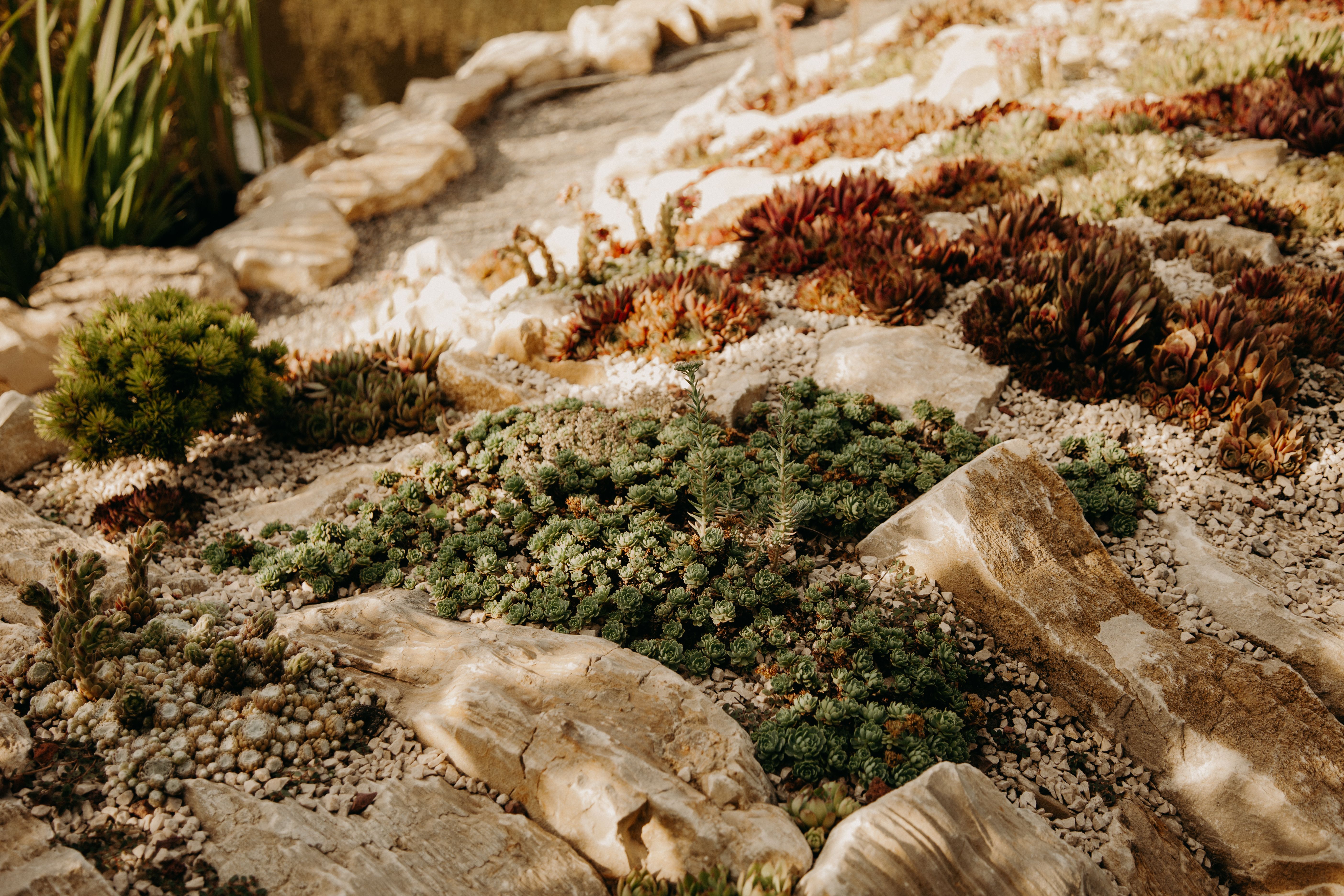
Decorative stone is attractive to people who want to reduce lawn area, particularly in hot or dry climates. It does not need mowing, and inorganic mulch generally lasts longer than organic mulch. The trade-off is that rock can become hot, shift on slopes and make later planting changes more difficult.
Organic mulch has a different profile. It helps reduce evaporation, suppress weeds and moderate soil temperature, but it decomposes and needs replenishing. The University of Delaware recommends thinking about the whole landscape system, including local materials, durable products, permeable surfaces and plants adapted to site conditions. In practice, a mixed design often works better than covering every available area with stone.
Climate-adapted plants rather than demanding plants
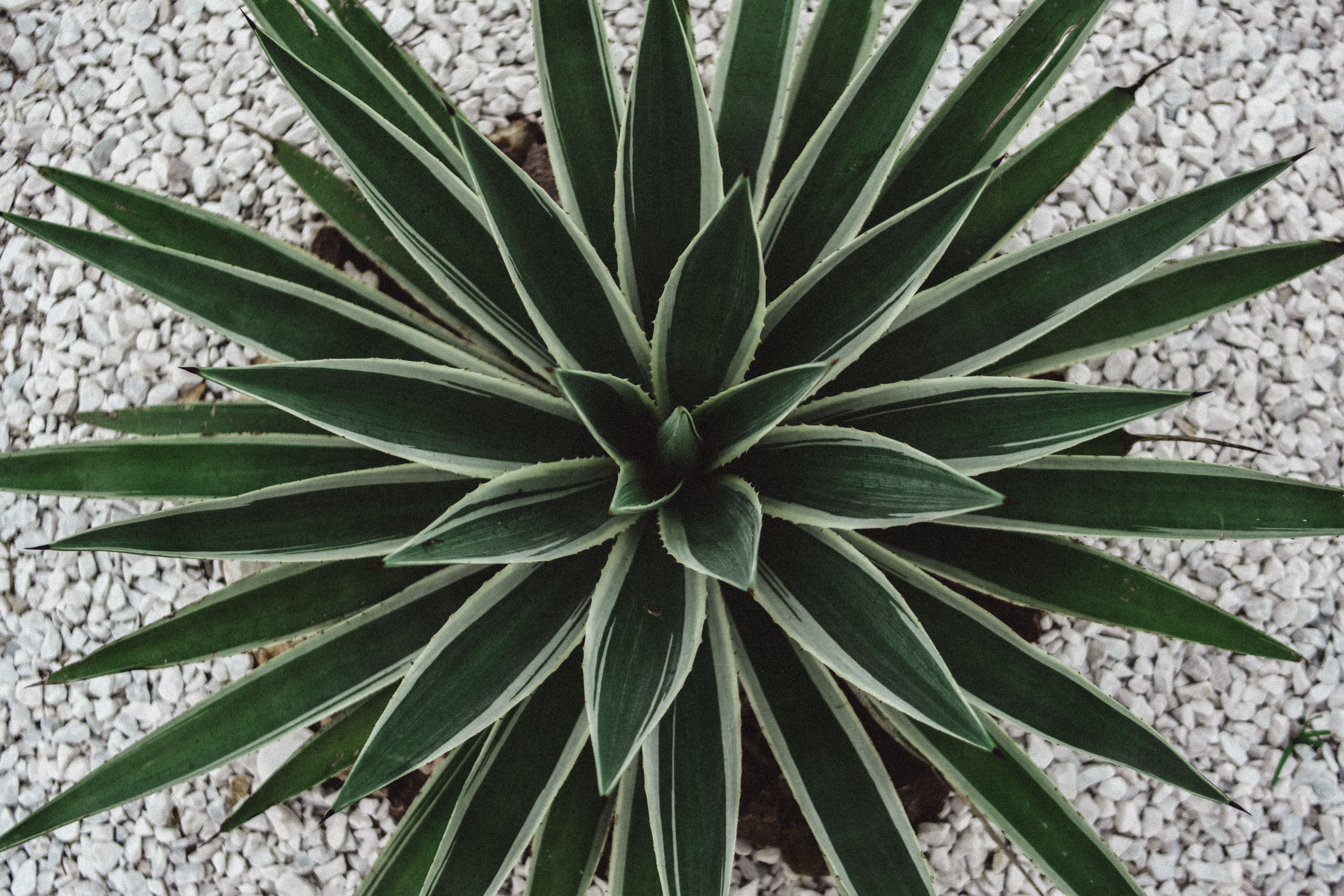
The most effective low-maintenance “material” in a garden may be a plant selected for the soil, exposure and rainfall it will actually receive. The University of Florida’s low-maintenance plant guidance defines low-maintenance partly by reduced regular watering, pruning, spraying and fertilising. It also makes an important point: even drought-tolerant plants need watering while they establish.
That establishment period is where many designs fail. A homeowner may choose drought-tolerant plants but water them poorly, place them in unsuitable soil or mix them with thirsty species on the same irrigation zone. The result is not low maintenance; it is a collection of different problems arriving at different times.
Outdoor furniture designed for exposure
Furniture materials are also changing. Powder-coated metals, treated timber, synthetic woven materials and durable plastics can all reduce refinishing compared with untreated timber or delicate indoor-style fabrics. But “weather-resistant” is not the same as indestructible. UV exposure can fade surfaces, trapped moisture can encourage corrosion, and cheap hardware can fail before the frame does.
A sensible purchase is one where the vulnerable parts are replaceable. Removable covers, standard fixings and cushions that can be dried or stored are practical features, not minor details. The lowest-maintenance chair is often the one that can be repaired rather than discarded.
Where the low-maintenance argument breaks down
Not every product marketed as easy-care is a responsible choice. Artificial turf is a useful example because it can remove mowing and routine irrigation, but it also creates questions about heat, soil health, water and end-of-life disposal.
A 2026 study in HortTechnology surveyed 121 green-industry professionals about landscapes dominated by non-plant materials. Respondents expressed greater concern about rubber mulch and artificial turf than about rock or organic mulch; heat retention, soil and water health, and environmental impacts were among the main concerns. That does not make artificial turf unsuitable everywhere. It does mean that “no mowing” is an incomplete comparison.
My view is that low-maintenance materials should be judged by their whole service life, not just by the chores they remove. A material that saves an hour of mowing but becomes hot, difficult to recycle or expensive to replace may still be the right answer for a particular use, but it should not be treated as an automatic sustainability win.
How to choose materials that will actually last
Start with the site rather than the catalogue. Note the direction of the sun, prevailing wind, drainage, soil, frost exposure, salt exposure and the way people will move through the space. A material that performs well in a dry inland garden may be a poor choice beside a pool or on a shaded, damp path.
Then separate “less work” into its parts:
- Less water: use climate-appropriate planting, hydrozones and mulch.
- Less mowing: reduce unnecessary turf, especially narrow strips and awkward corners.
- Less repair: choose durable surfaces and install them on a properly prepared base.
- Less refinishing: select finishes that suit the exposure and avoid placing vulnerable furniture in full weather when it can be sheltered.
- Less replacement: favour repairable products and materials that can be reused or recycled locally.
Also plan the maintenance that remains. The EPA advises written maintenance plans for green infrastructure, with responsibilities, schedules and inspection requirements. Even a private patio benefits from the same thinking: who clears leaves, checks drainage, controls weeds and deals with a cracked or settled section?
Outdoor details matter at the boundary between surfaces and people as well. For elevated decks, steps and terraces, properly specified balustrades are part of the safety system, not merely a finishing touch. The same principle applies throughout the project: a durable material is only successful when the supporting details are designed for the conditions.
Frequently Asked Questions
A better definition of easy-care
The appeal of low-maintenance outdoor materials is understandable: people want attractive spaces that fit their lives rather than dictate them. But the strongest designs do not chase the fewest tasks at any cost. They match materials to climate, use durable construction where it matters, retain living elements where they add value and make the remaining care simple enough to happen.
That is the direction outdoor design is moving in: not maintenance-free landscapes, but landscapes with fewer surprises. A patio that drains properly, a planting bed that does not demand daily rescue and furniture that can be repaired are modest achievements individually. Together, they make an outdoor space easier to keep, easier to live with and less likely to be rebuilt prematurely.