
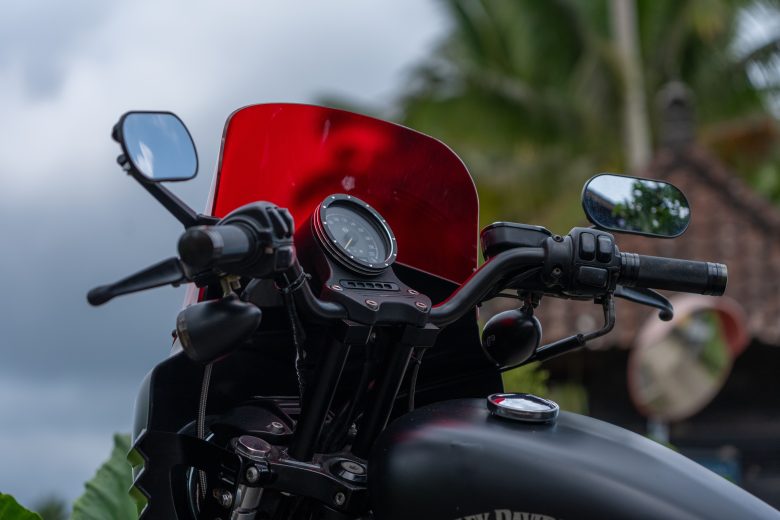
Most riders spend money on horsepower, then tyres, suspension, maybe an exhaust. Almost nobody thinks hard about the sheet of plastic between their chest and a wall of moving air – until their neck aches at hour two, or a long day leaves their ears ringing.
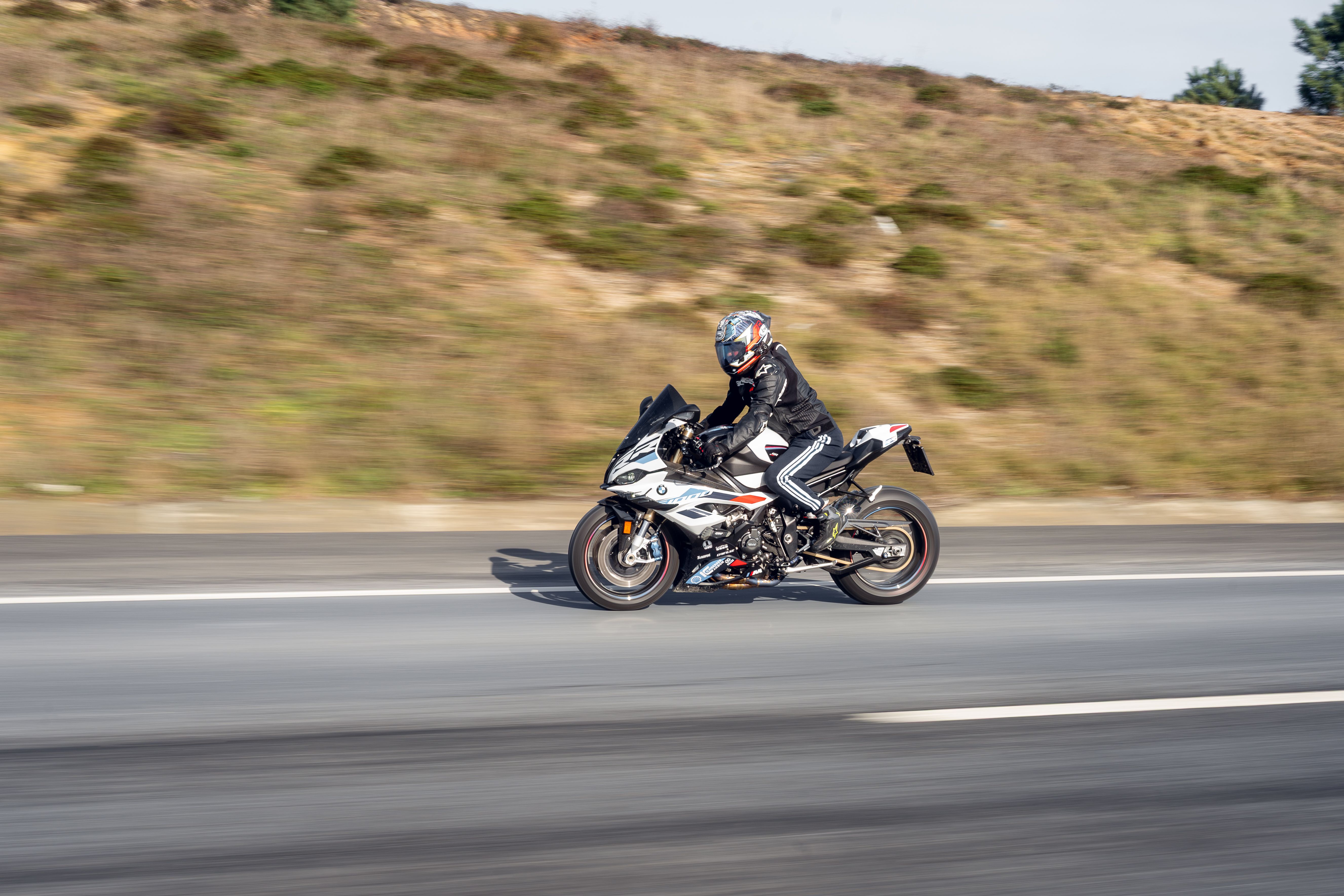
Wind protection is not a comfort feature. It is a safety system that happens to feel good. The air hitting you at speed grinds down your hearing, drains your concentration, and pushes the bike around. Get all three wrong and you are colder, slower to react, and less stable than you think.
The damage you cannot feel
Wind noise is the quietest hazard on a motorcycle and the most damaging. Below city speeds it barely registers. Above roughly 45 mph (72 km/h), turbulence around the helmet overtakes the engine and exhaust to become the dominant sound at your ears, climbing to about 90 dB(A) at 45 mph and more than 110 dB(A) at 100 mph. That is a chainsaw held against your head for the length of your commute.
Helmets do not rescue you, because wind noise sits at low frequencies shells barely attenuate. A 30-minute ride can produce a temporary hearing threshold shift of more than 15 dB. After one hour at a steady 80 mph, one study recorded an average temporary loss of 10.3 dB at 1 kHz, and found permanent deficits at 0.25 to 2 kHz in riders compared with matched controls, as summarised in this review of motorcyclist hearing loss.
Cold is slower reactions, not just discomfort

Wind chill is the second cost, and riders underestimate it because they read the wrong number. On the National Weather Service model, the wind that counts is your road speed plus any headwind. A 40°F day at 70 mph feels like 19°F; add a 10 mph headwind on a mild 50°F day and you are riding at roughly 29°F. That is where fingers go numb and grip strength drops.
Cold and wind feed straight into fatigue. A Queensland University of Technology review lists wind, rain, cold, vibration and noise among the environmental factors that accelerate it, and cites a study in which up to 40% of riders reported fatigue on at least half of their long journeys. A tired rider rarely falls asleep like a tired driver; they misjudge a corner while feeling awake.
The screen’s real job: where the turbulence lands
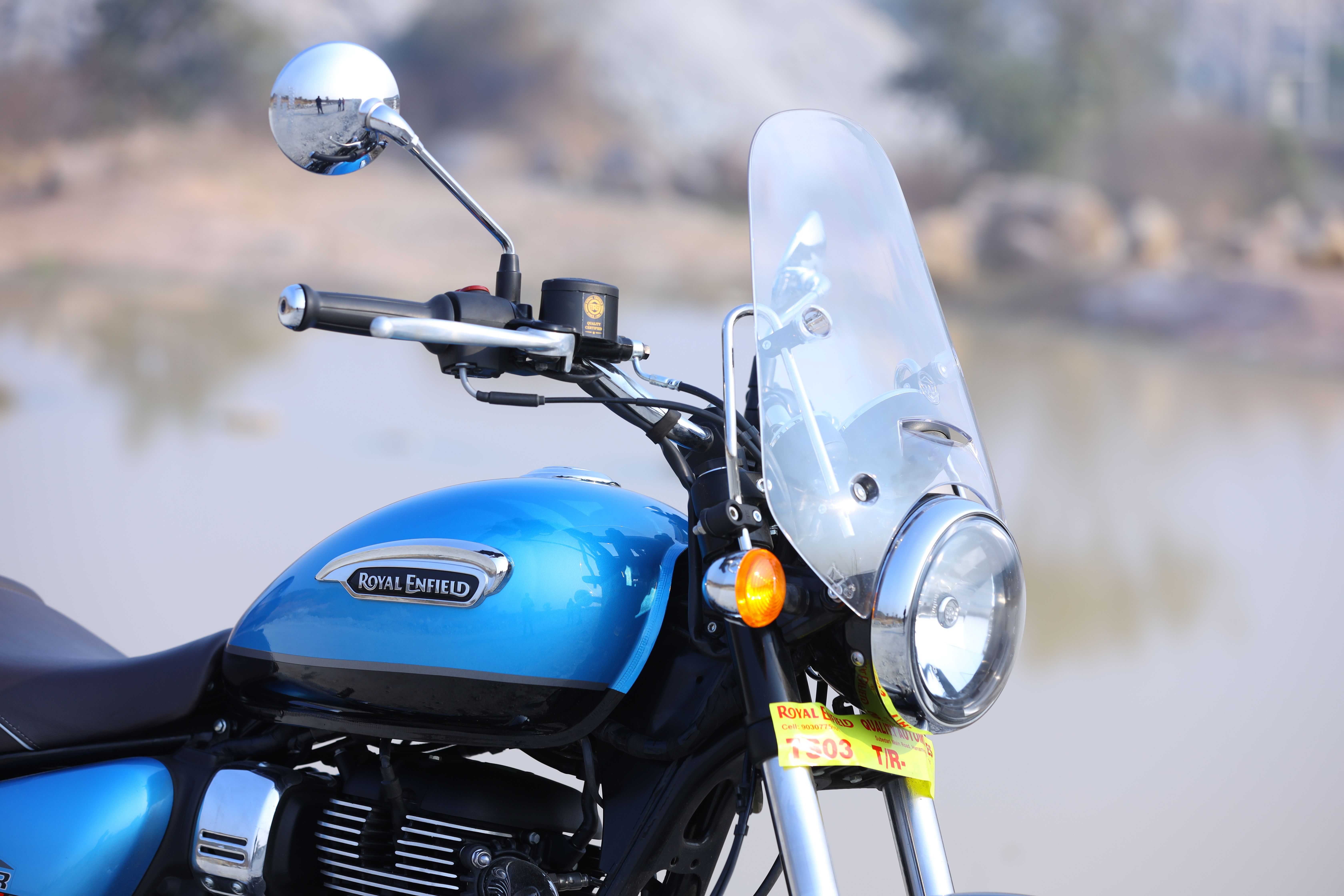
This is where “buy the tallest screen you can find” falls apart. A windscreen does not stop wind so much as redirect it, and what matters is the top edge. Air accelerating over the lip rolls into a vortex, a sheet of churning flow. If that sheet lands on your helmet you get the worst result available: buffeting, the loudest noise, and a head that feels shaken. Carry the sheet over your helmet instead and the ride goes quiet.
The trade-off is measurable. Simulating a Honda CB500X at 140 km/h, researchers found the factory screen made the least drag – 735 N, coefficient 0.395 – while aftermarket screens made more, up to 897 N, yet deflected air away from the rider’s body more effectively. A later study of screen heights from 205 mm to 330 mm reached the same split: taller screens cut the pressure on the rider but cost drag (windshield height study).
Crosswinds are where it bites hardest

Buffeting is a comfort problem on a calm day and a stability problem in a gust. Modelling a motorbike in crosswinds found that as the wind angle increases, side force and rolling moment rise sharply – peak side forces were almost four times higher than peak drag – and that the strongest vortex shedding happens behind the windshield and around the helmet (crosswind aerodynamics study). A tall screen adds frontal area exactly where the gust pushes.
I would rather run a slightly smaller screen that leaves my helmet in cleaner air than a barn door that turns every gust into a steering input. The quietest screen is not automatically the safest one.
Matching the fix to the symptom
| What you notice | Likely cause | First fix |
|---|---|---|
| Ringing ears after a ride | Turbulence hitting the helmet | Lower or reshape the screen; add earplugs |
| Blurred vision, head shake | Buffeting from the top edge | Change screen height or angle |
| Numb hands, stiff neck, early tiredness | Wind chill and constant bracing | Add windproof layers; dress for felt temperature |
| Twitchy in gusty sections | Frontal area and side force | Reduce screen size or change its shape |
Setup beats shopping
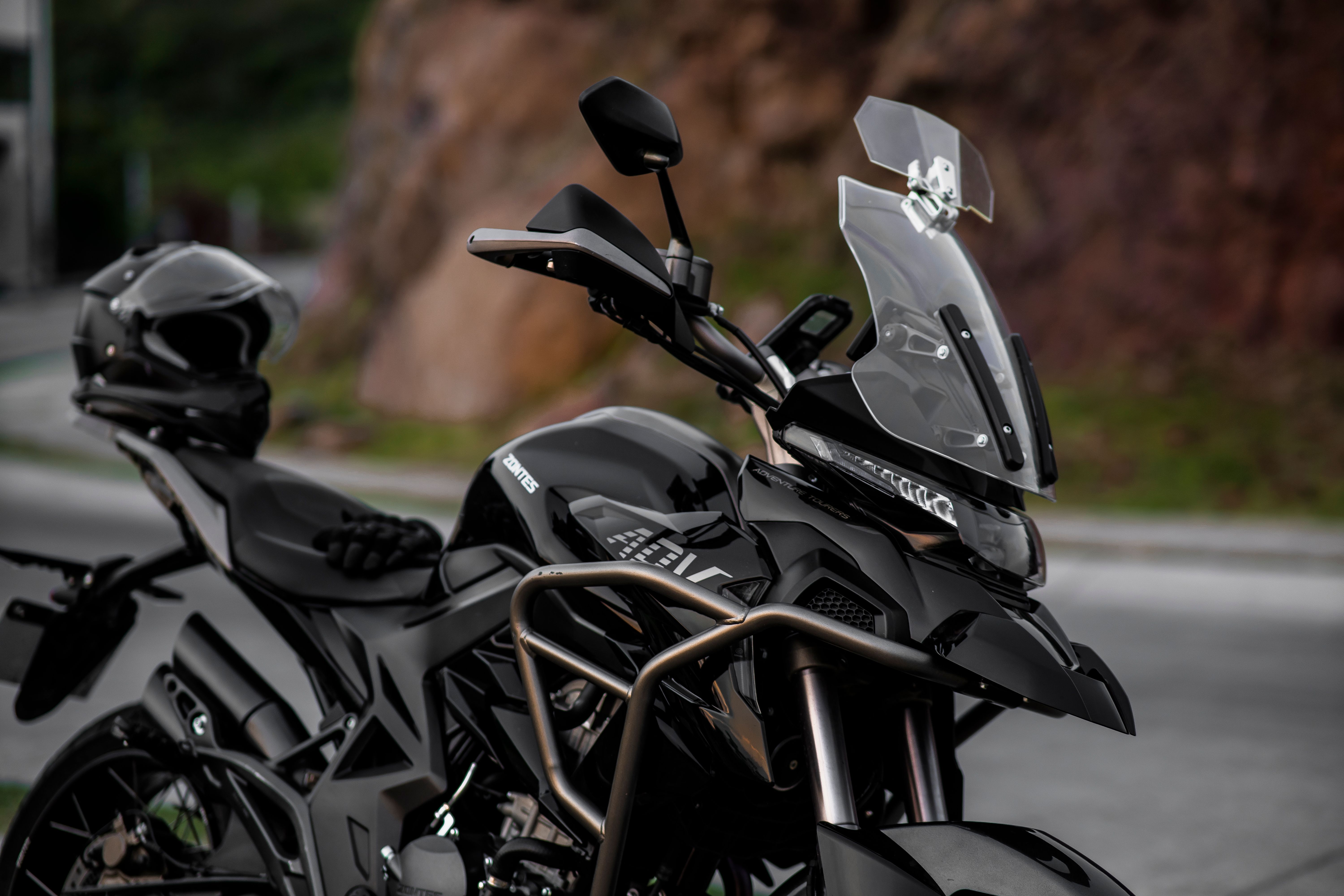
The lesson is that wind protection is configured, not just bought. The right screen depends on your height, riding position and helmet: one that shields a 5’6″ rider can sit far too low for a 6’2″ rider on the same bike. Suppliers who understand that ask about your eye line instead of upselling the tallest option – a specialist such as https://motorcyclescreens.eu is a reasonable place to start.
Where I disagree with the comfort-first crowd
Plenty of experienced riders argue wind protection is overrated. Racing bikes run tiny screens by design, naked bikes sell on the sensation of clean air, and a rider who is buffeted learns to brace. A shorter screen also reduces drag, and on a hot day airflow through a jacket is a real benefit.
Where I part company is the assumption that this scales to the road. A racing screen works because the rider is tucked and the session is short. A commuter or tourer spends hours in that airflow, and hours are what turn noise, cold and buffeting into hearing loss, fatigue and mistakes. I would change my mind if large screens reliably cut at-ear noise without adding crosswind instability. They do not; the vortex just moves.
So which would you take: the tall screen that stills the air on your chest but buffets your helmet, or the short one that leaves you in a clean, noisy slipstream? I know which I would fit, and it depends on how long I plan to sit in the saddle.
How this article was put together
The hearing figures come from peer-reviewed research into motorcycle wind noise; the aerodynamic numbers come from published computational studies of windscreens, all checked in September 2026. Wind-chill values use the National Weather Service formula, with road speed plus headwind as the wind speed. Wind noise is hard to measure on the road, so at-ear figures vary by several decibels between studies.
The short version
Wind protection earns its place because of what it prevents, not how it feels: hearing loss, cold-slowed reactions, and fatigue that builds hour by hour. The trick is not blocking wind but controlling where the turbulence goes.