
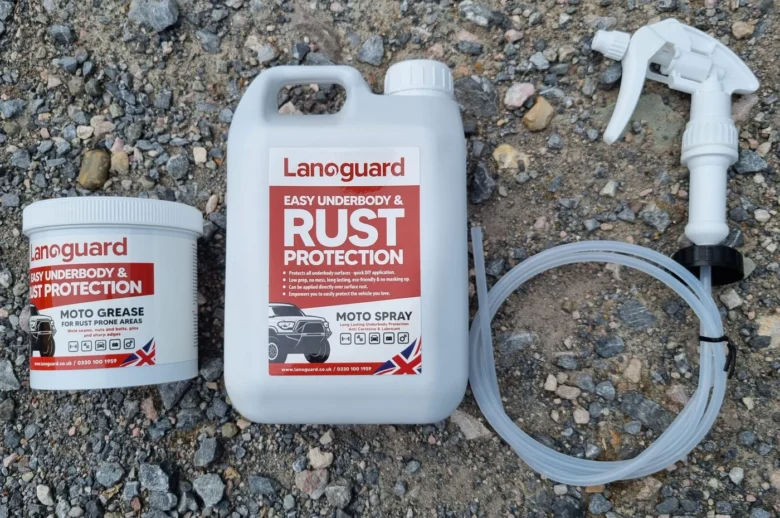
Finding a reliable Lanoguard-approved garage near you is actually much simpler than most people expect, and the quickest way to do it is by combining three checks: the official Lanoguard service locator, local corrosion-specialist workshops, and independent rust-treatment technicians who work with lanolin-based products.
When you use these three steps together, you almost always end up with the closest legit provider for underseal within minutes, not hours. Most drivers get stuck because they search too broadly (for example, “rust protection”) instead of narrowing it to Lanoguard-approved installers. The truth is: the nearest garage is usually not the biggest automotive center, but a small rust-treatment specialist hidden in your area.
Step 1: Use the Official Lanoguard Installer Locator
The most reliable place to start is the official Lanoguard website. They maintain a constantly updated list of approved installers. What makes this step so important is that approved technicians follow the correct prep sequence:
- Steam cleaning or degreasing the underside
- Drying the chassis fully
- Applying the correct thickness of Lanoguard
- Treating cavities and problem areas separately
- Photographically documenting the treatment.
When you go directly through the official list, you avoid garages that only offer generic “rust proofing” instead of real Lanoguard work.
A typical Lanoguard-approved listing includes:
Table ─ What You’ll See on the Official Installer Page
| Item | What It Means | Why It Matters |
| Address / Coverage Area | Exact town or radius | Helps you pinpoint the closest garage immediately |
| Certification | Lanoguard-approved technician | Guarantees proper prep and application |
| Services Provided | Underside, arches, chassis rails, cavities | Ensures full rust-prevention coverage |
| Vehicle Types | Cars, vans, SUVs, 4x4s, classics | Some garages specialize in certain vehicles |
| Approx. Price Range | Usually listed as starting from | Helps you compare providers nearby |
Once you enter your postcode, you’ll typically get 2–6 garages within a normal driving distance. If your area is rural, the radius may expand to 40–60 km, which is normal.
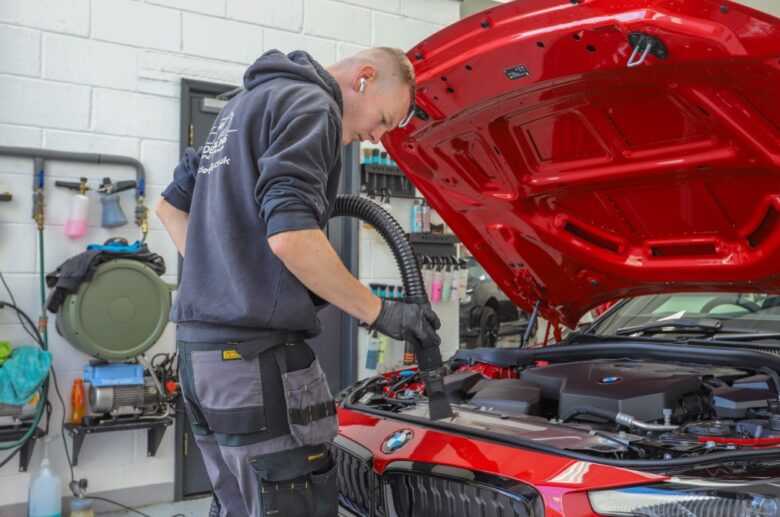
Step 2: Search for Independent Rust Treatment Specialists in Your Area
Not every Lanoguard-approved technician is a traditional garage. Many are mobile specialists or small workshops focused only on rust prevention, and these are often closer to you than the big service centers.
Search locally using terms like:
- “Lanoguard underseal specialist + your city”
- “lanolin rust protection garage near me”
- “vehicle rust coating specialist + region”
- “mobile rust technician Lanoguard”
Independent specialists often provide better quality because undersealing is their main business, not a side service. These workshops usually invest in:
- Industrial pressure washers
- professional drying systems
- high-quality lift equipment
- LED inspection lighting
And since they work with rusty vehicles daily, they know exactly how to treat problem spots around subframes, spring perches, sills, and brake-line brackets.
Step 3: Consider Mobile Lanoguard Underseal Technicians
In many regions, especially outside big cities, the nearest Lanoguard professional might be a mobile technician who comes directly to your driveway or garage. This is the fastest option when there is no certified garage in your area.
Mobile Lanoguard techs usually bring:
- High-power portable pressure washers
- rust-prep wire wheels
- drying tools
- lifts or ramps
- Lanoguard spray equipment
This is extremely useful for drivers in rural zones, coastal towns, mountain villages, or suburbs without specialized workshops. The only requirement is a suitable parking space — ideally flat ground and access to water.
Mobile technicians also tend to be more flexible with scheduling, especially during the winter rush when garages become booked.
Step 4: Compare Prices and Services Before You Commit
Lanoguard underseal pricing depends heavily on the size of the vehicle, the condition of the underside, and whether cavity wax is included. Before choosing the nearest service provider, compare what each garage includes.
Table ─ Average Lanoguard Pricing by Vehicle Type
| Vehicle Type | Typical Price (GBP / EUR) | What’s Included |
| Small Car | 120–180 | Underside, light prep |
| Hatchback/Sedan | 150–220 | Full underside + arches |
| SUV/Crossover | 180–280 | Extra cavity areas, large underside |
| 4×4 / Off-Road | 250–400 | Heavy prep, chassis rails, full protection |
| Classics | 200–500 | Detailed prep, rust treatment, cavity work |
These prices vary, but they help you identify unreasonable quotes — both too low and too high.
A very low price often means:
- No steam cleaning
- no rust-surface prep
- thin application
- low-quality equipment
And a very high price usually means:
- heavy corrosion
- more labour
- full restoration-style preparation
Step 5: What to Check Before Booking
Once you find the nearest Lanoguard installer, ask a few direct questions to confirm professionalism. A good garage will always answer clearly.
Key questions to ask:
- Do you perform full underside cleaning before applying Lanoguard?
If they skip cleaning, don’t book — Lanoguard needs a clean surface. - Do you inspect and treat light rust before coating?
A proper technician will wire-brush and stabilize surface rust. - Do you spray cavities such as sills and chassis rails?
If not, you’re losing half the benefits. - Do you provide photos of the work?
Most legit installers send you before/after pictures. - How long does the job take?
A real service usually takes 2–4 hours, depending on prep. - What is the expected lifespan of the treatment?
Lanoguard typically lasts 12 months with normal driving.
Good installers are transparent and never rush through these questions.
Step 6: Use Local Forums, Groups, and Car Communities
Car groups are gold when looking for the nearest trustworthy Lanoguard installer. Facebook groups, 4×4 clubs, classic car forums, and even local town groups often share reviews of nearby garages.
Owners of:
- Land Rovers
- Subarus
- SUVs
- Pickup trucks
- Classic vehicles
Tend to rely on lanolin protection more than average car owners, so they share plenty of real experiences and can direct you to the closest, most reliable service.
You may find a small independent workshop only 10–15 minutes from your home that never shows up in basic Google searches.
Step 7: When the Nearest Garage Isn’t the Best Choice
Sometimes the nearest Lanoguard installer isn’t the ideal one to choose — especially if:
- The garage has poor reviews
- They don’t show photos of their work
- They rush the cleaning stage
- They don’t apply cavity protection
- They don’t specialize in undersealing
It’s often worth driving 20–40 minutes farther to get a professional result that lasts a full season.
Rust protection is one of those services where quality matters more than distance.
Step 8: What to Expect on the Day of Your Appointment
A proper Lanoguard underseal session usually follows this sequence:
- Inspection – technician identifies rust spots, pinch welds, and chassis rails.
- Washing – steam cleaning, degreasing, removing mud, salt, and grime.
- Drying – essential for bonding.
- Rust prep – wire brushing and stabilizing surface rust.
- Application – thick, even spray on the underside, suspension components, arches, and key areas.
- Cavity treatment – spray inside sills and rails.
- Final check + photos.
Total time ranges from 1.5 to 4 hours, depending on prep.
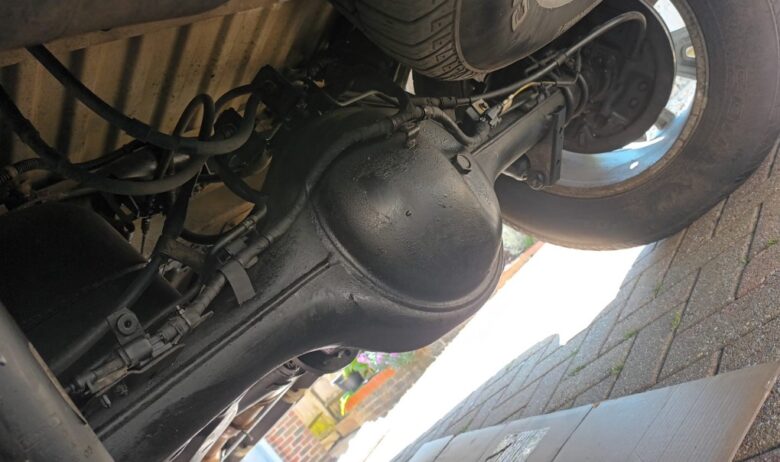
Step 9: Lanoguard vs Traditional Underseal – What’s the Difference?
Traditional underseal creates a hard, rubbery layer that can crack with age. Lanoguard remains flexible, which is why more drivers prefer it.
Comparison table
| Feature | Lanoguard | Traditional Underseal |
| Material | Lanolin (natural grease) | Rubber / Bitumen |
| Flexibility | Highly flexible | Can crack and harden |
| Breathability | Yes | No |
| Moisture trapping risk | Very low | Higher |
| Lifespan | 12–18 months | 12–24 months |
| Ideal for | Wet climates, off-road use | Dry climates, older cars |
For drivers who want an easier maintenance schedule, Lanoguard is usually the safer option long-term.
Step 10: A Helpful Extra Resource
While searching for the nearest Lanoguard installer, some car owners also look for general rust-treatment resources, especially if they’re comparing options or trying to inspect the underside themselves.
If you ever need a clear example of what professional rust cleaning and prep should look like, this car undersealing service shows the type of detailing and inspection that serious rust technicians follow. Even if you’re set on Lanoguard specifically, this kind of reference helps you know what to expect from a quality prep job.
Final Thoughts
Finding the nearest Lanoguard garage for underseal isn’t difficult, but finding a good one takes a bit more attention. The official installer map is your starting point, but don’t ignore independent specialists, mobile techs, or local car communities. A proper Lanoguard treatment should be clean, thorough, well-documented, and tailored to your vehicle type — not rushed, unclear, or done without prep.
If you follow the steps above, you’ll easily locate a trustworthy Lanoguard technician close to you and know exactly what to look for before booking. This ensures your car stays protected for the entire winter season and beyond, with no surprises and no wasted money.