

Knowing exactly where a truck is can make a late delivery easier to explain. Preventing the same delay tomorrow takes a different kind of information. If a customer routinely needs longer to receive a shipment than the schedule allows, a more accurate location marker will not correct the appointment plan.
Tracking remains valuable for arrival estimates, route visibility, and customer updates. Its usefulness grows when fleets connect location with what happens during a stop. For manufacturers developing connected trailer and equipment products, that creates an opportunity to supply information that explains how deliveries progress through customer sites.
A three-hour stop can contain several different delays

Consider a truck that enters a distribution center at nine and leaves at noon. The location history establishes the visit’s duration, but that interval might include a gate queue, waiting for a dock, unloading, and paperwork. Each stage has a different owner and a different potential remedy.
If most of the time was spent waiting for a dock, the conversation may concern appointment availability. If unloading finished promptly but departure was delayed, documentation or release procedures may deserve attention. Treating the entire visit as “unloading time” hides those distinctions and makes it harder for the carrier and customer to agree on what should change.
A useful delivery record therefore separates observable milestones. Arrival at the site, check-in, dock assignment, service completion, and departure provide a clearer account than one uninterrupted block of stationary time. Some milestones can come from equipment; others need customer systems or driver confirmation. The FMCSA’s research on driver detention time likewise highlights the challenge of measuring waiting separately from normal loading and unloading activity.
Check the assumptions behind the next appointment
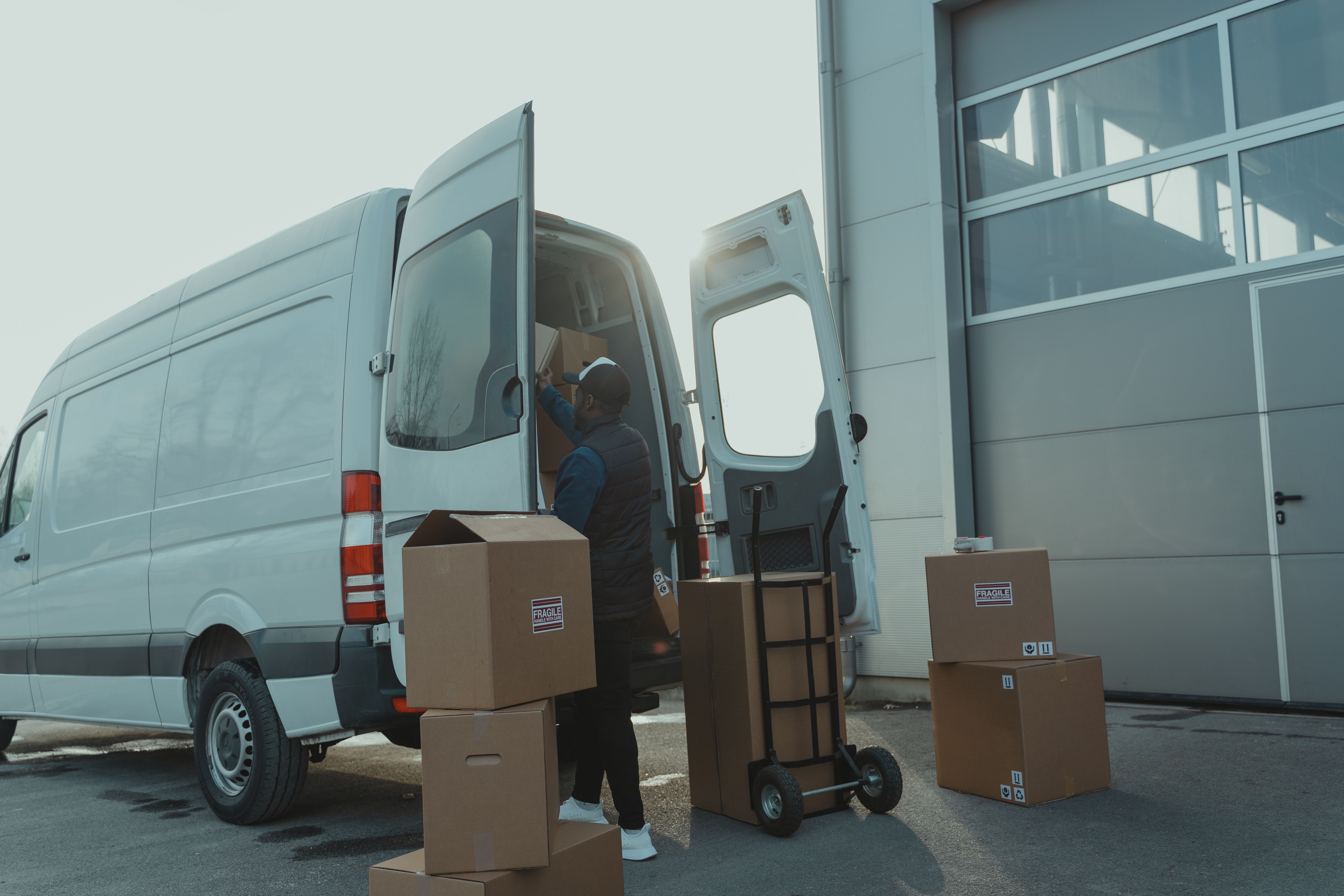
A schedule can become unreliable before the truck leaves the depot. Suppose a route allows 45 minutes at a customer whose comparable deliveries regularly take substantially longer. Even an on-time arrival leaves the driver struggling to meet the next commitment. Repeated lateness then appears to be a daily execution problem when the underlying allowance needs review.
Historical records should help planners distinguish a recurring pattern from an unusual visit. Compare similar deliveries by site, time of day, load characteristics, and receiving requirements where that information is available. A single average can conceal substantial variation, particularly if some appointments involve a straightforward drop while others require attended unloading.
The response might be a revised service allowance, a different appointment window, or a change to the sequence of stops. Adding time everywhere can reduce productive capacity without addressing the cause. The stronger approach is to identify which assumption is failing and discuss it with the customer before changing the plan.
Build a timeline that people can interpret
Connected trailer equipment can contribute useful events, including door activity or movement within a site. Those events need careful interpretation. A door opening does not establish that unloading began, and a trailer moving away from a dock does not necessarily mean the paperwork is complete. Product teams should label the recorded event clearly and distinguish it from any inferred activity.
The same discipline applies to timestamps. An event recorded during a coverage interruption may reach the application later. Preserving both event time and receipt time helps planners reconstruct the visit while allowing support staff to investigate reporting delays. Otherwise, several delayed messages can produce a misleading picture of the stop.
For a manufacturer building these capabilities, the development decision includes how much communication infrastructure to create internally. Blues, a provider of embedded connectivity and cloud data routing, offers an established device-to-cloud foundation through Notecard and Notehub. Using that foundation allows the product team to concentrate on equipment events, customer integrations, and the delivery information its application will provide. Its build-versus-DIY resources address that underlying engineering choice.
Use the record to improve the customer conversation
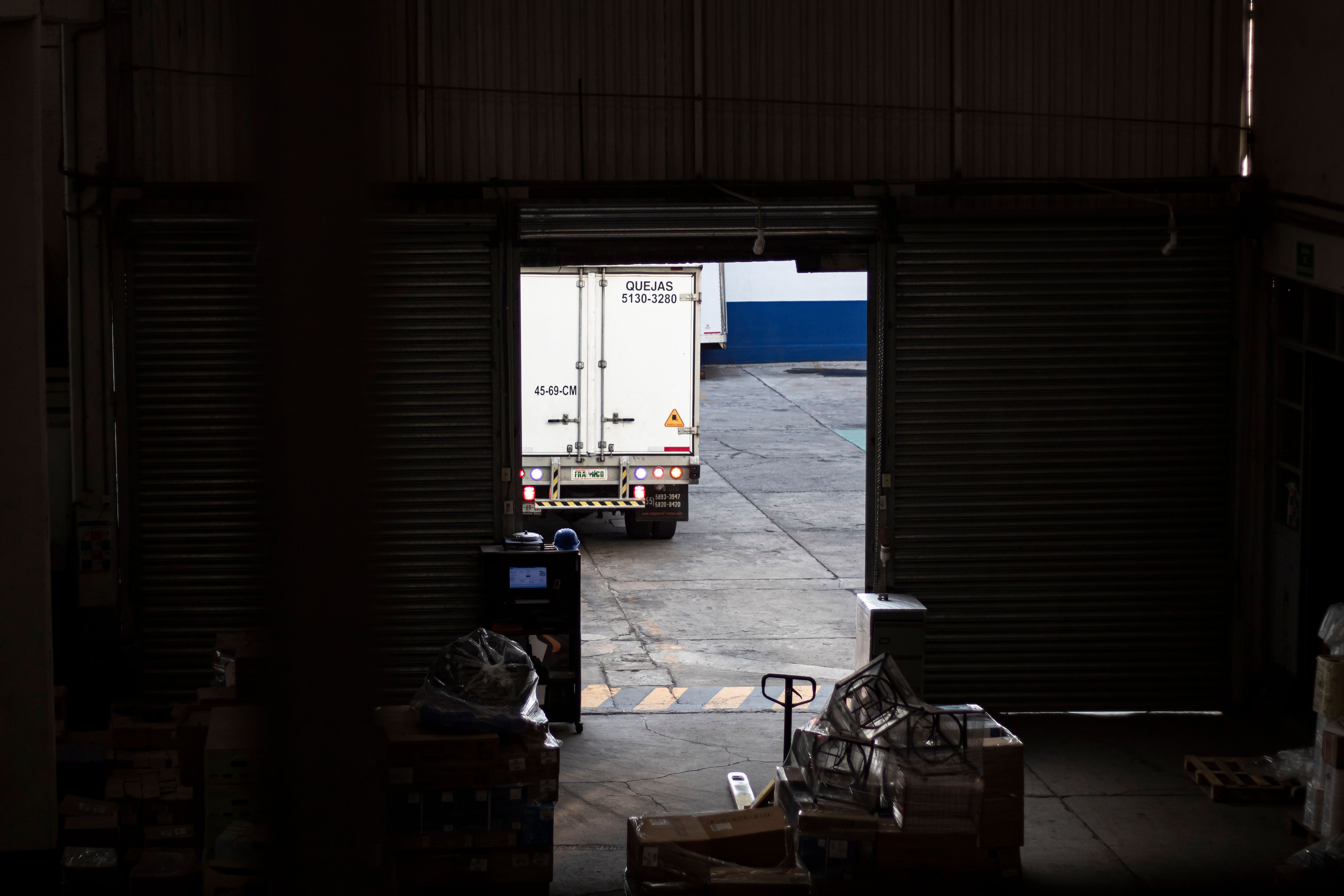
A shared timeline gives account managers something specific to discuss with a receiving site. Instead of reporting that “deliveries always run late,” they can examine where comparable visits repeatedly exceed the planned allowance. The customer can then contribute information about staffing, dock availability, or procedures that the carrier cannot see from vehicle records.
Success should appear in subsequent assignments: more realistic arrival commitments, fewer avoidable scheduling changes, and a clearer understanding of exceptions. Tracking supplies an essential part of that picture. Connecting it with site activity and appointment information makes it possible to improve the plan that the next truck will follow.