
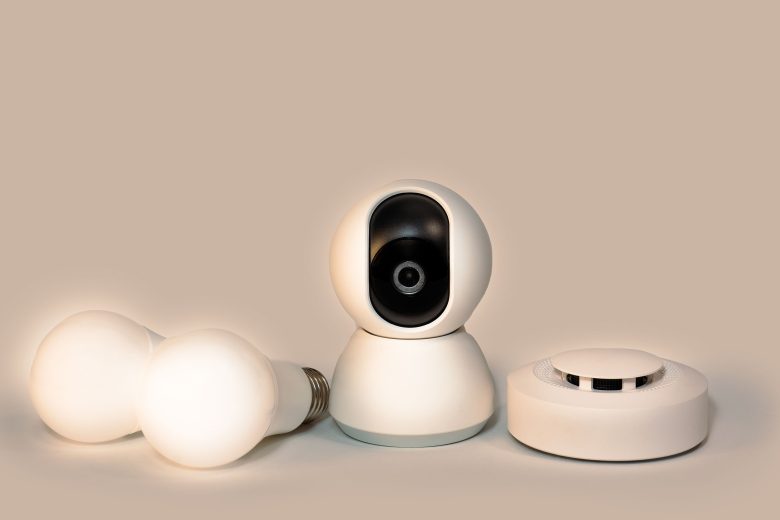
When someone mentions home security, what is the first thing you think of? If you are like most people, your mind immediately races to burglary and home intrusion. That’s why so many discussions about electronic home security focus on things like video cameras and intrusion sensors. Rarely do discussions ever get to smoke and carbon monoxide (CO) sensors.
People Aren’t the Only Threats
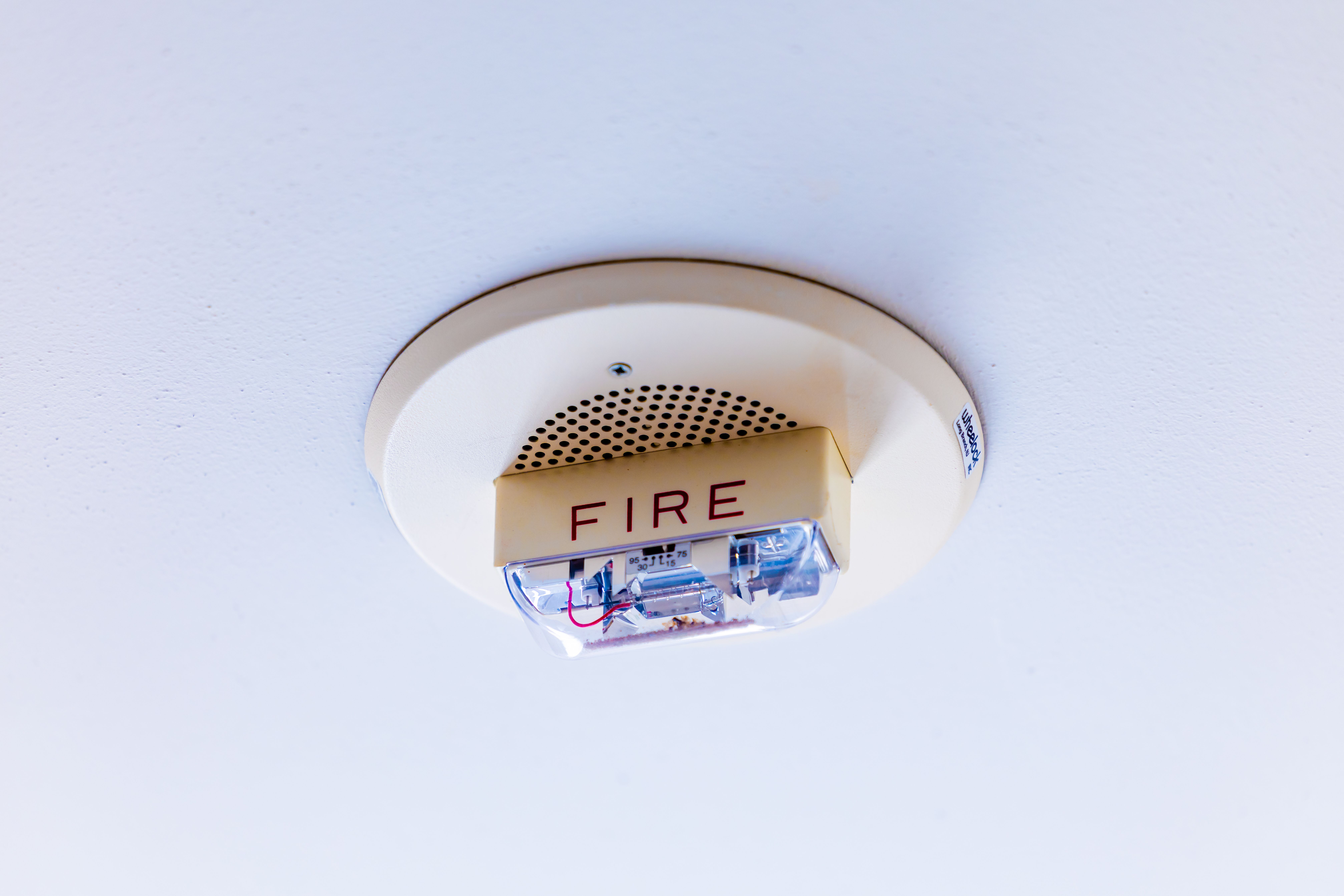
Some of the most destructive threats to the American household are unrelated to physical intruders. For example, fire and CO are silent, fast-moving, and potentially deadly hazards that pose an immediate risk to life and property. They can be more devastating than even the worst burglars.
Protecting against these deadly threats is what smoke and CO sensors are all about. Yet the sensors are frequently left out of the home security narrative. That’s not good.
Why They Are Overlooked
Understanding the importance of fire and carbon monoxide safety leads to the inevitable question: Why are smoke and CO sensors talked about so little in the context of home security? There could be a number of reasons, beginning with the assumption that code compliance takes care of things.
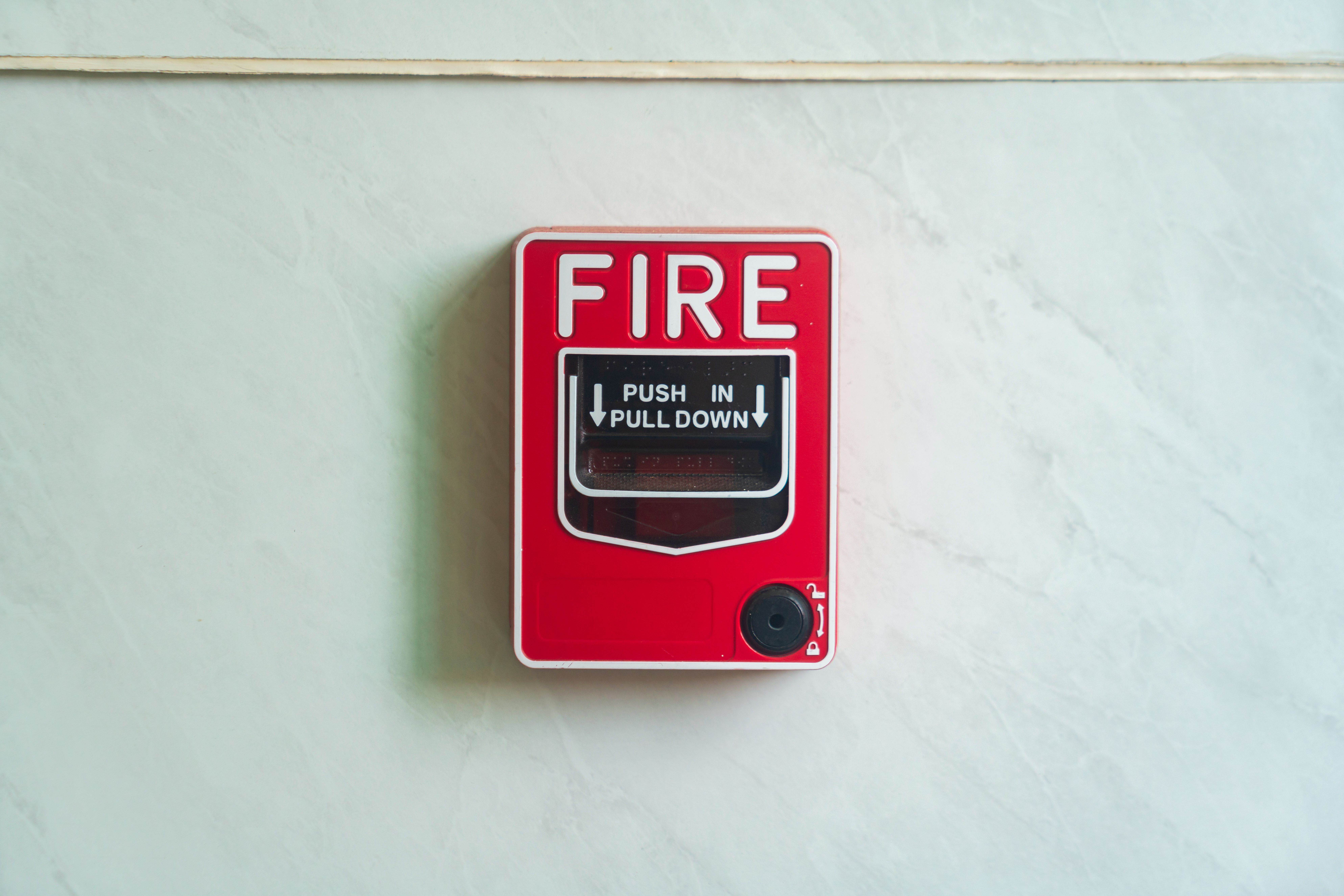
Local and state building regulations dictate that new homes be equipped with standalone, battery-operated smoke and CO detectors. The assumption is that no modern home is without them. But such assumptions are not always correct. And even when homes are equipped with these devices, that doesn’t mean they are functioning properly. The U.S. Consumer Product Safety Commission’s CO alarm guidance offers practical placement and testing recommendations.
Above and beyond code compliance assumptions, there are two other reasons smoke and CO detectors are overlooked:
• The Burglary Focus – Home security companies tend to focus almost exclusively on burglary when marketing their products. As a result, burglary occupies more mental space in our minds. It’s the first thing we think about when home security comes up.
• CO Is Invisible – CO detectors get the least attention of all because carbon monoxide is invisible. It also has no odor. People rarely think about it until they’ve been victimized by it.
The unfortunate part of all of this is that homeowners will start thinking about smoke and CO detectors after a fire or a carbon monoxide leak. But tragically, such thoughts are sometimes too little, too late.
Standalone Alarms vs. Monitored Systems
Traditional battery-powered smoke and CO detectors are the baseline. They are the bare minimum for every American home. Yet they have one major flaw. They rely on someone being home, awake, and capable of acting when an emergency arises. If you do not see this as a problem, consider the following scenarios:
• No One Is Home – If no one is home when a standalone fire alarm sounds, the fire will have every opportunity to spread before a neighbor or passerby sees it. By then, it could be too late to save the home.
• Pets Are Home Alone – Pets being alone in the house when a fire breaks out or a CO leak begins are in immediate danger. They could perish long before help arrives.
• You Are Home but Asleep – You could be home when a failure in your furnace leads to a CO leak. The CO could render you unconscious and kill you without you ever knowing. Smoke could also injure you before you are awake enough to realize a fire has broken out.
By now, you might be wondering what the alternative to standalone battery-operated devices is. Your best alternative is wired devices that are part of a professionally monitored security system. Vivint Home Security is just one of many security providers offering smoke and CO sensors with their packages.
Why Every Security System Should Have Them
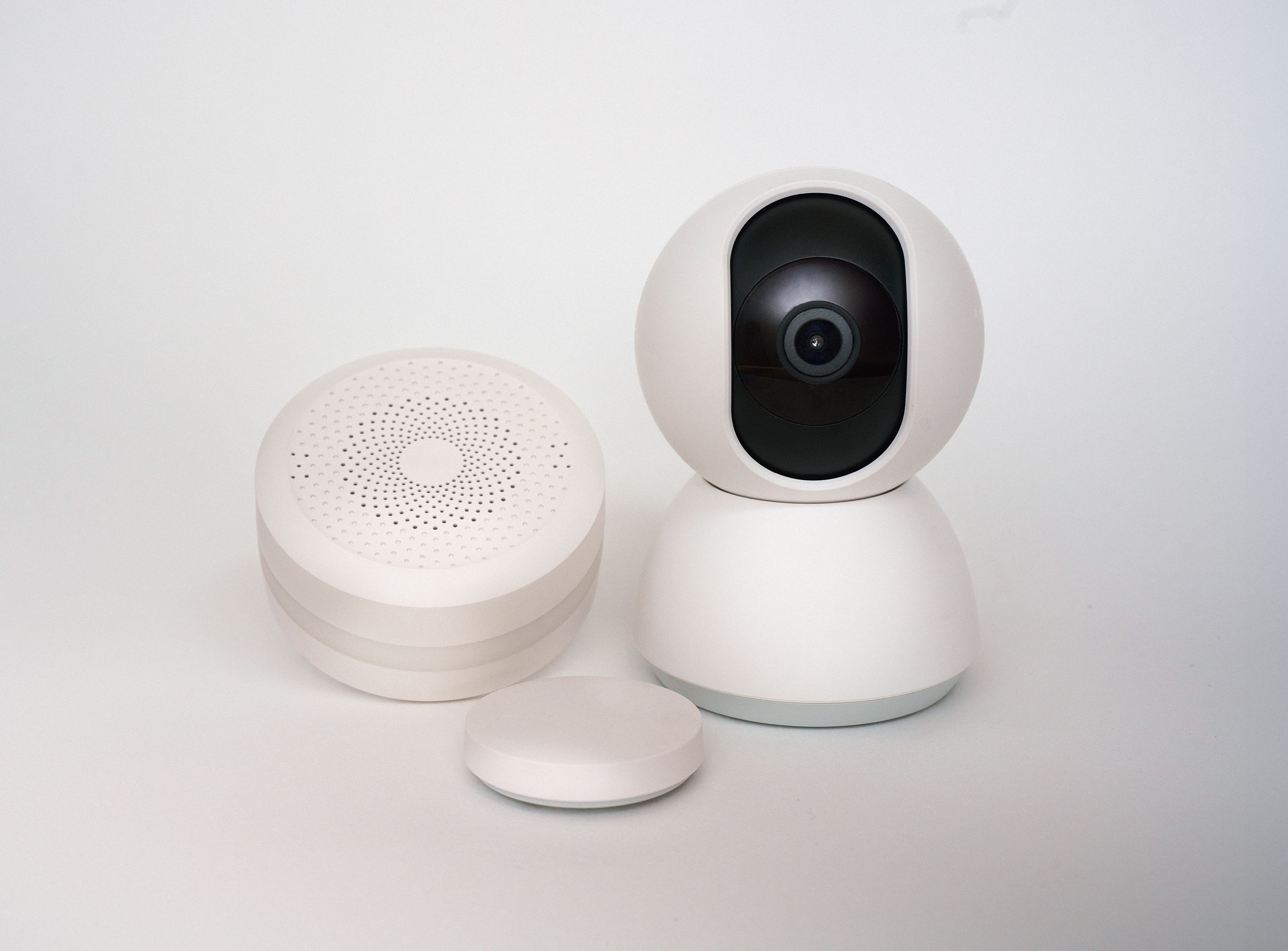
Integrating smoke and CO sensors into a professionally monitored home security system transforms basic alarms into active, life-saving components. If for no other reason, this explains why the two types of sensors are a must-have for anybody with a security system installed. They also represent a very good reason to invest in modern home security if you are not already utilizing it.
1. Instant Professional Dispatch
Integrating smoke and CO sensors into a monitored security system means instant professional dispatch in the event of an emergency. You’re not relying on neighbors or passersby to notice something is wrong and call 911. Instead, professionals are monitoring your system for any and all alerts. As soon as an alert comes in, they spring into action.
2. Instant Mobile Alerts
You also get instant mobile alerts with an integrated system. Not only do the professionals know something is going on, but so do you. You can do whatever you need to do more quickly as a result. If you are home when a fire breaks out or CO begins to leak, the push notification on your phone tells you to get up and get out.
3. Integrated Smart Home Control
Full integration allows your system to take data from smoke and CO sensors and use it to control other parts of your home automation system. For example, any alert by either of these two sensors could trigger the HVAC system to automatically shut off. This would slow down the spread of a fire or stop the system from helping distribute CO throughout the home.
You could program your system to immediately unlock the front and rear doors if they were equipped with smart locks. You could link the sensors to lighting as well, immediately illuminating your home in the event a fire breaks out.

Protect Your Home Against Every Threat
The need to protect against burglary and home invasion is very real. Understandably, unauthorized entry is one of the biggest fears driving homeowners to install electronic home security systems. But never forget how deadly smoke and CO can be. They need to be accounted for.
Whether you’re investing in home security for the first time or you have a system already installed, be sure to protect your home against every threat. Include integrated smoke and CO sensors placed strategically throughout your home. The National Fire Protection Association recommends installing and testing smoke alarms properly. They could literally save your life.